The latest Gold Rush development initially looked like a standard deep-earth dig designed to access a massive payload. The strategy was proven, and the crew had committed heavily to the plan. But once the excavators hit the target depth, the real story became a devastating geological miscalculation.
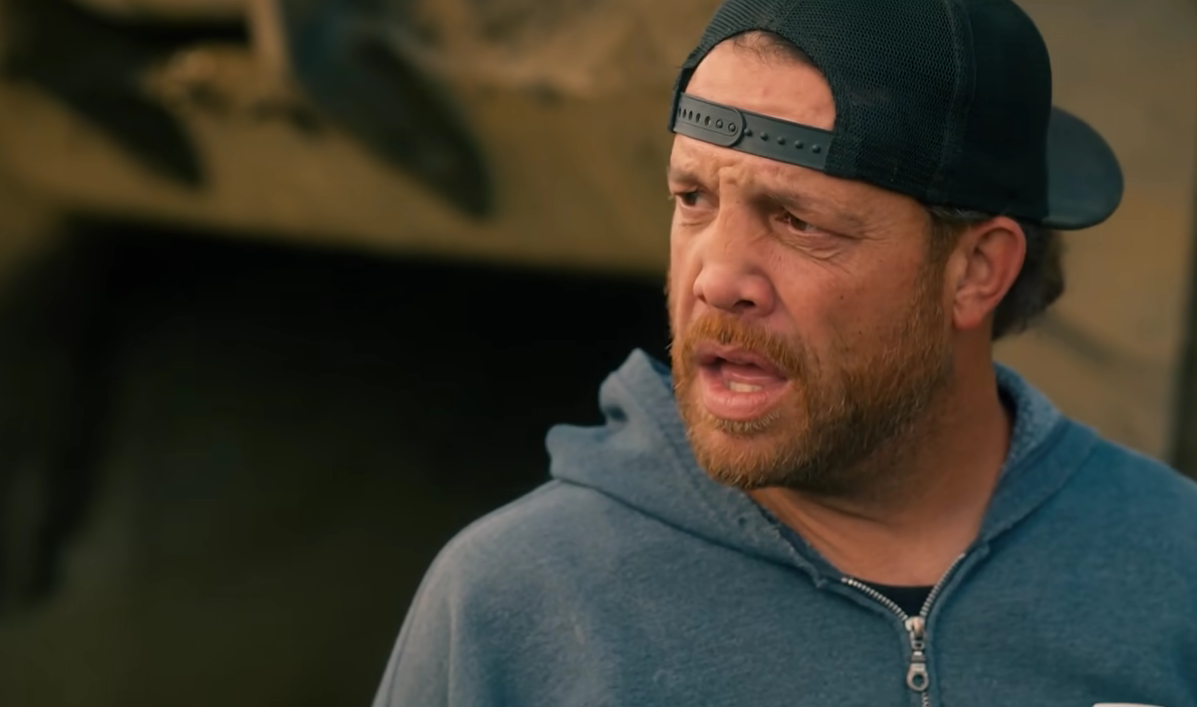
Four months into the short Yukon mining season, Rick Ness is deep in the hole. Operating with a massive 1,800-ounce seasonal target, his crew had recovered less than 500 ounces. To turn the season around, Rick bet heavily on the "Valhalla cut."
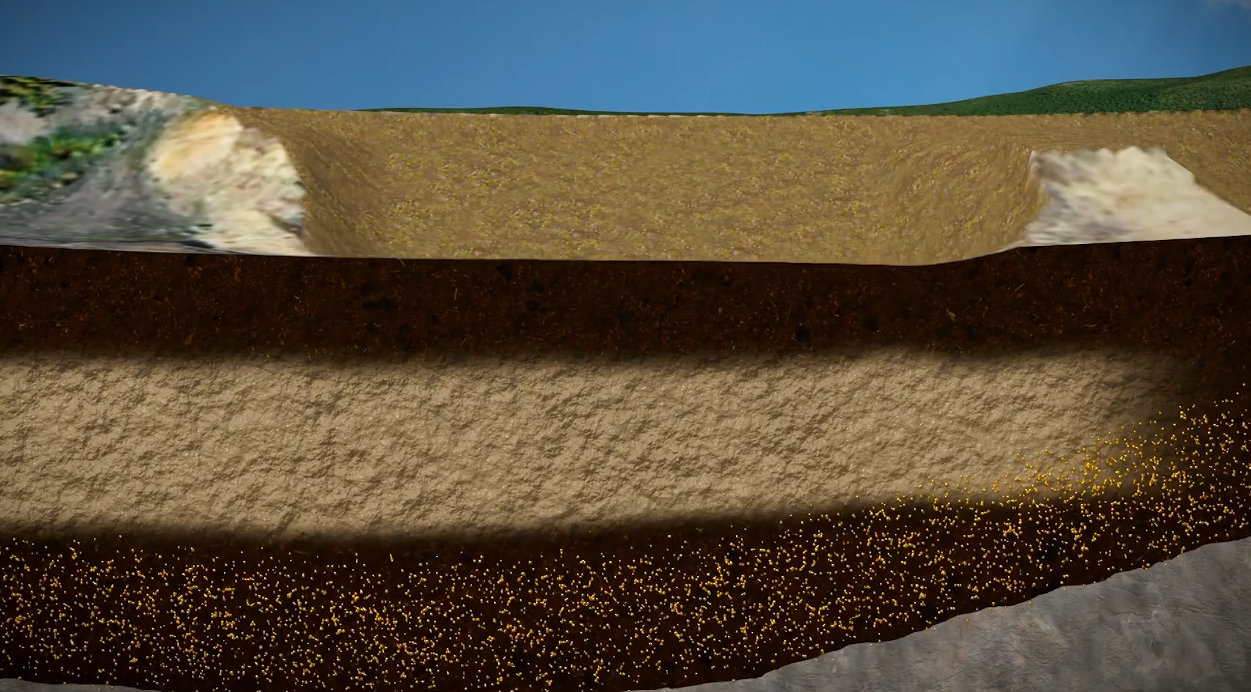
The geological theory driving the massive excavation seemed solid. Rick believed an ancient, dried-out riverbed filled with coarse gold ran across four miles of his Duncan Creek claims. Previous cuts had proven that a lucrative 50-foot pay streak ran directly beneath Rally Valley and extended downstream into Vegas Valley at a depth of 150 feet. Rick logically assumed this same rich pay layer would be sitting at the exact same 150-foot depth in his new Valhalla cut.
To reach it, Rick pushed his small, seven-person crew to strip a mountain of overburden. It was a massive financial risk, burning through capital, fuel, and vital weeks of the summer. The entire crew's gold bonus relied on hitting that specific pay streak.
But after digging relentlessly for over a month, operator Bailey delivered a crushing blow.
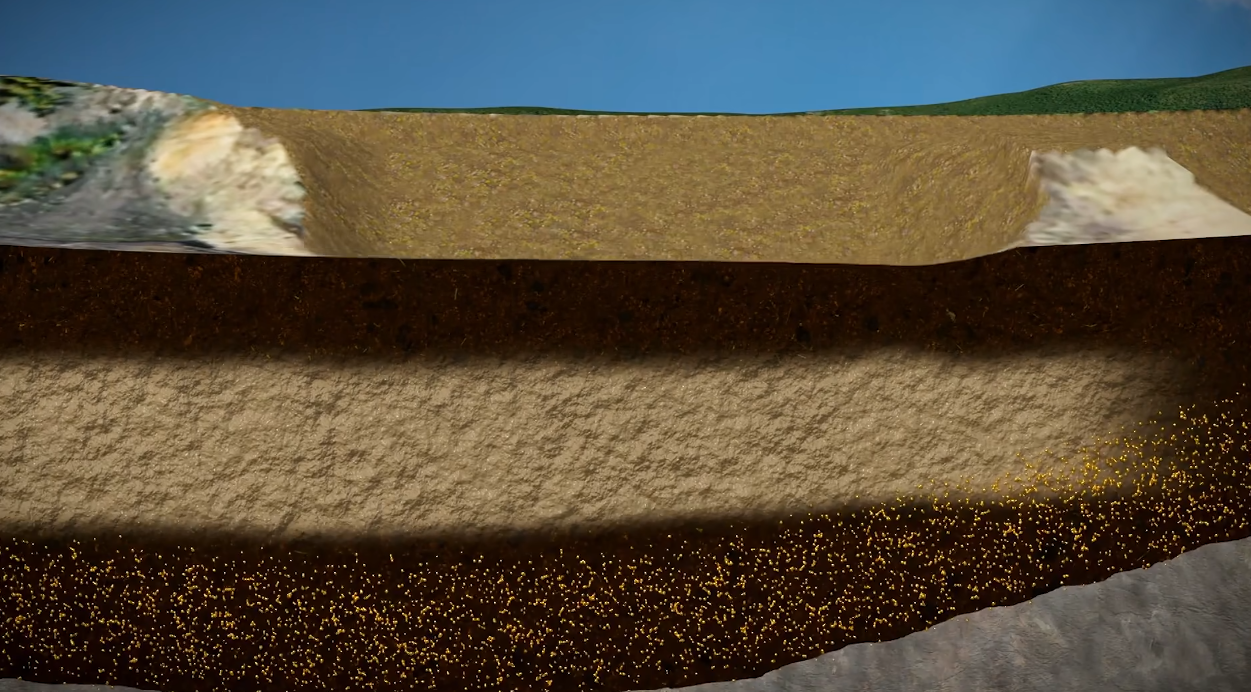
Instead of hitting the anticipated 50-foot layer of gold-rich pay dirt at the bottom of the 150-foot pit, the excavator struck something entirely unexpected: a massive, 25-foot layer of solid, barren clay.
In placer mining, a thick clay band is a nightmare scenario. Not only does it contain zero gold, but it is incredibly difficult to dig through, and it cannot be put through a wash plant without causing massive operational issues. Bailey dug test holes 25 feet deeper, pushing the excavator to its absolute limits, trying to punch through the clay to find the anticipated gravel. He dug across the cut, desperately searching for the gold channel.
The results were devastating. It was clay in every direction, extending all the way to the edge of the next cut.
"Sorry that I got to tell you," Bailey reported, "but like the ground don't lie. This is all dead zone."
For Rick Ness, the revelation was a massive smack to the face. The crew had moved a literal mountain of dirt for absolutely nothing. With no clue what lay beneath the massive clay band and no specialized equipment to deal with it, the Valhalla cut was completely paralyzed.
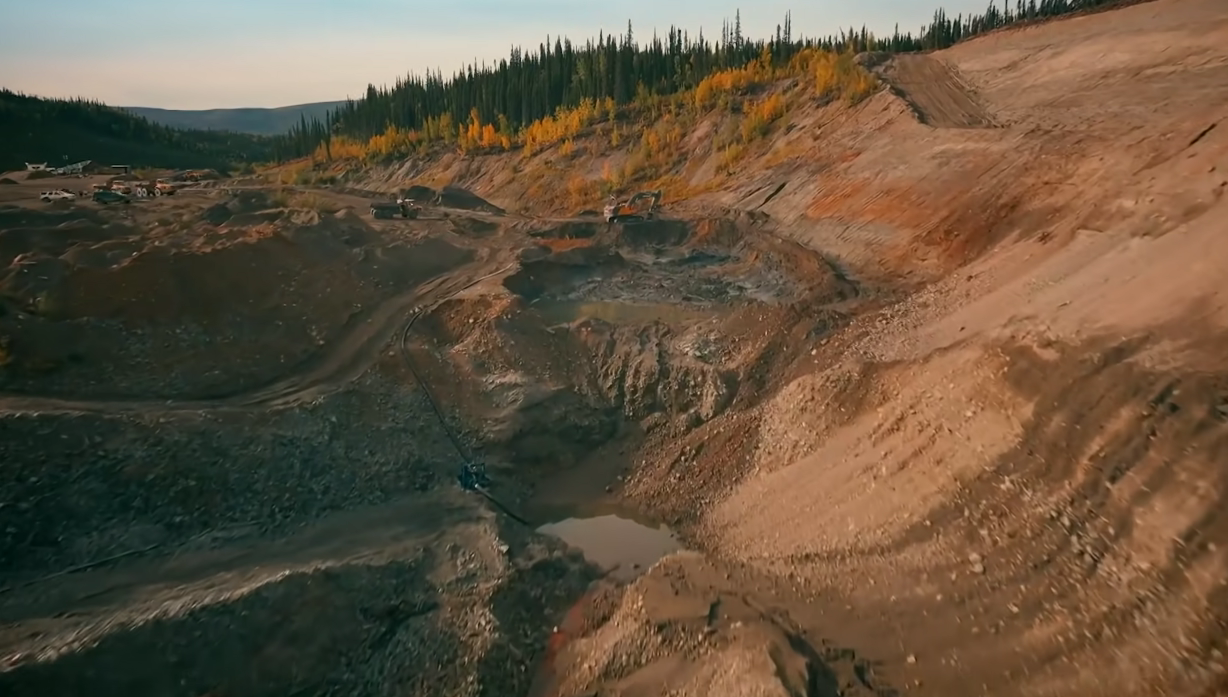
The situation appeared to trigger a crisis of confidence for the young mine boss. Standing on the edge of the massive, empty pit, Rick openly questioned the entire trajectory of his career. He admitted that his ultimate goal was to build a successful operation that he could eventually sell, allowing him to walk away with generational wealth. But staring down into a 150-foot hole filled with worthless clay, the fear of failure became palpable.
"Now I'll walk away with nothing," Rick admitted during a moment of intense soul-searching. "And that's the opposite of the plan."
The current development leaves the Ness operation in critical danger. With the season rapidly slipping into the fall, Rick has burned through a massive amount of capital on a dead pit. It remains entirely unclear how he will pivot his small crew away from the Valhalla disaster to find enough gold to hit his 1,800-ounce target. With the brutal Yukon winter approaching, Rick Ness must find a new strategy quickly, or his entire mining operation may be buried in 25 feet of clay.
THEO DÕI CHÚNG TÔI TRÊN FACEBOOK