However, keeping such a massive operation running smoothly has proved far from straightforward.
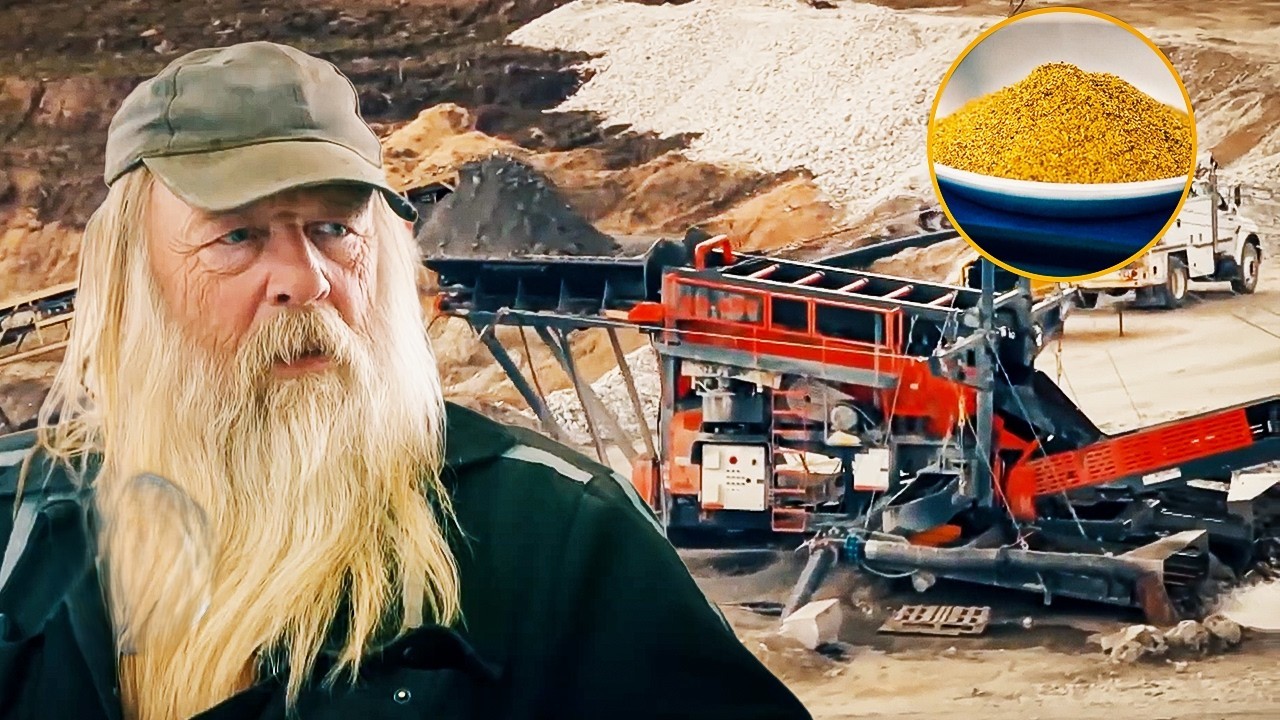
The Discovery Channel star is managing an increasingly demanding mining business, with dozens of employees, heavy machinery and multiple claims requiring constant attention. Equipment failures, flooding and mounting production pressure have forced Parker to rely heavily on his most experienced crew members.
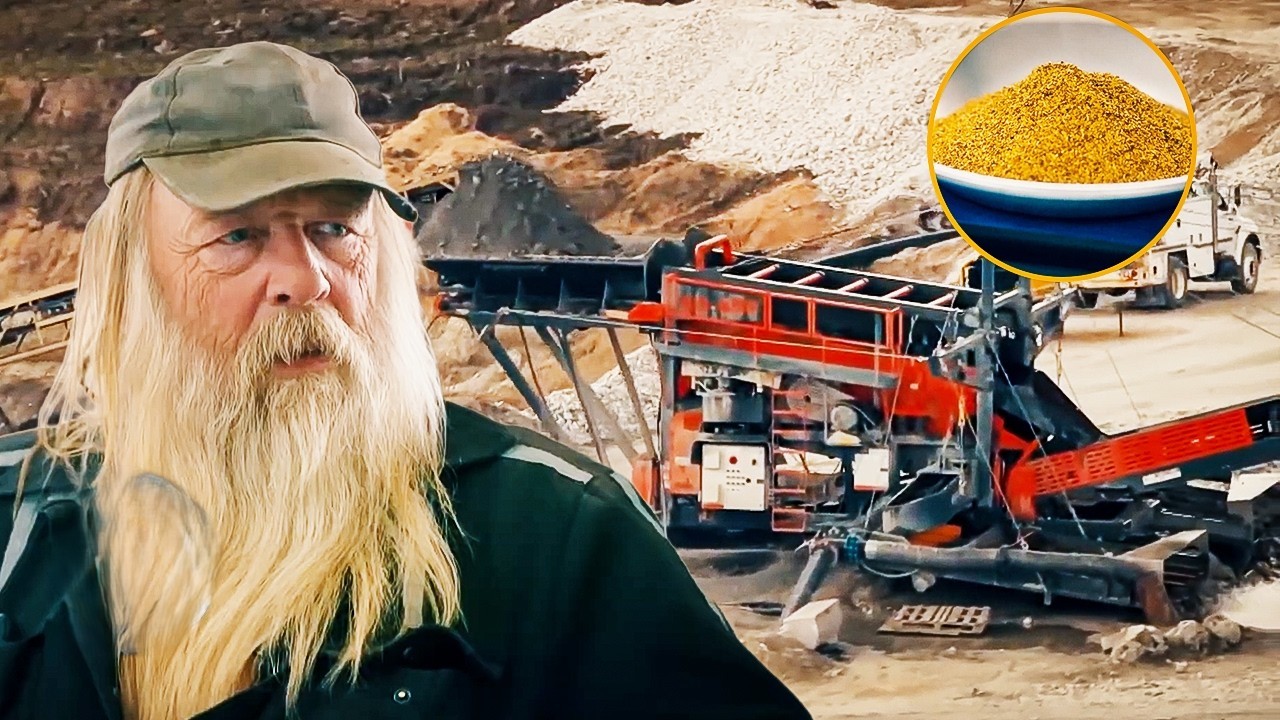
And while his own operation continues to expand, the situation has become considerably more complicated for Kevin Beets.
Kevin, who is attempting to establish himself as an independent mine boss, has suffered a string of setbacks after losing two important crew members to Parker’s operation within just two weeks.
Among them was mechanic and operator Caden Foot, who became frustrated with the challenges of processing wet pay dirt at Kevin’s mining site.
As spring temperatures increased, the thawing material began causing problems with the wash plant’s feeder belt, repeatedly interrupting production.
Caden believed the material should have been spread out and allowed to dry before being processed, but Kevin was determined to keep the plant operating.
Their disagreement highlighted the growing pressure on the young mine boss as he attempted to reach his 2,000-ounce seasonal target.
Eventually, Caden revealed that Parker had offered him another position, admitting that the opportunity was too attractive to reject.
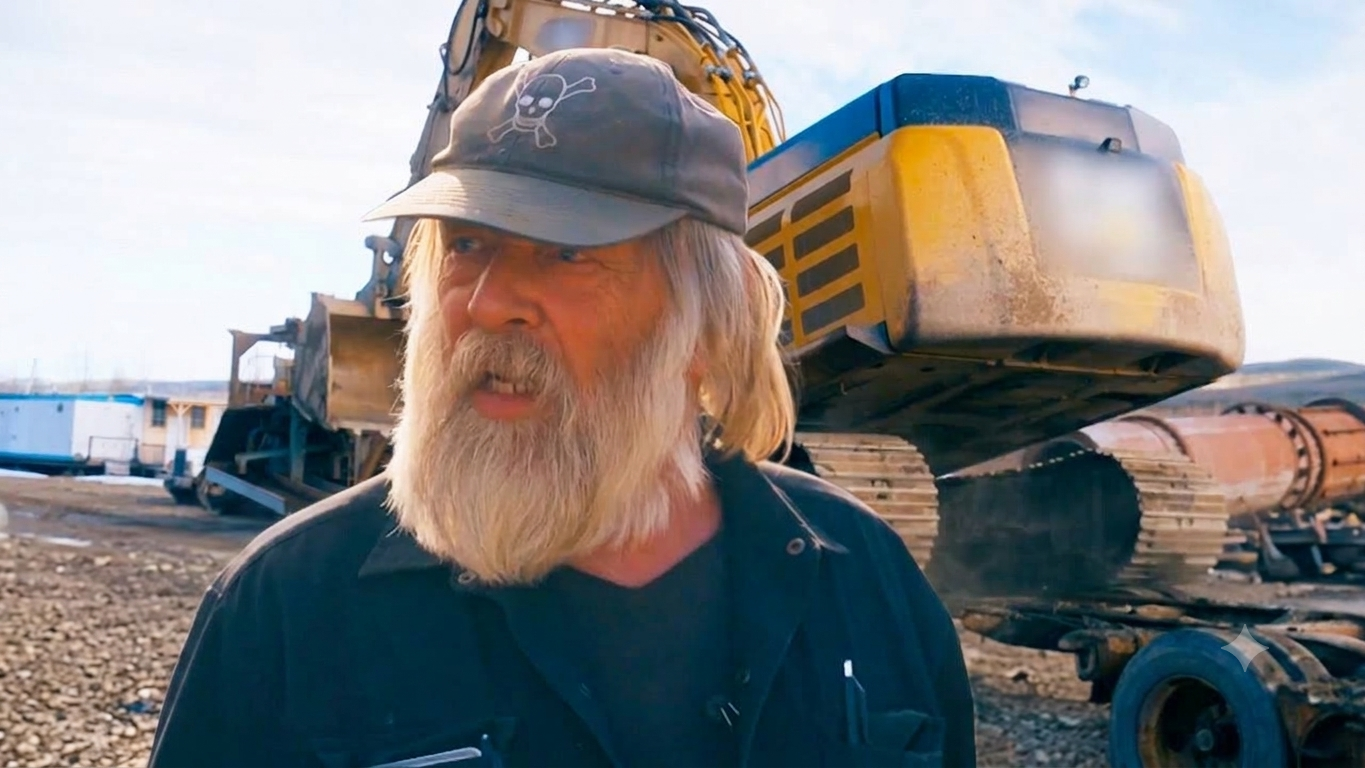
The news came as a disappointing blow to Kevin, who was already dealing with the departure of another experienced employee.
When Kevin’s father, Tony Beets, later visited the operation, he learned that his son’s workforce had been reduced once again.
Tony appeared relatively unconcerned about the departures, suggesting that Kevin simply needed to recruit replacements and keep moving forward.
But the consequences were becoming increasingly clear.
During one early gold weigh, Kevin’s operation produced just 48.46 ounces, worth approximately $170,000, leaving him with slightly more than 100 ounces for the season and considerable ground to make up.
Meanwhile, Parker was facing his own staffing challenges.
At Dominion Creek, a newly recruited operator, Rick Raymond, was assigned to feed the wash plant Sluicifer.
However, problems quickly emerged when the plant’s super stacker became jammed with material, causing the generator to surge and smoke.
The breakdown forced the crew to stop production and clear the machinery by hand.
Parker’s team was frustrated by the interruption, particularly as the mine was spending approximately $100,000 a day operating its four wash plants.
Rick was subsequently moved away from feeding Sluicifer, with another worker brought in to take over the responsibility.
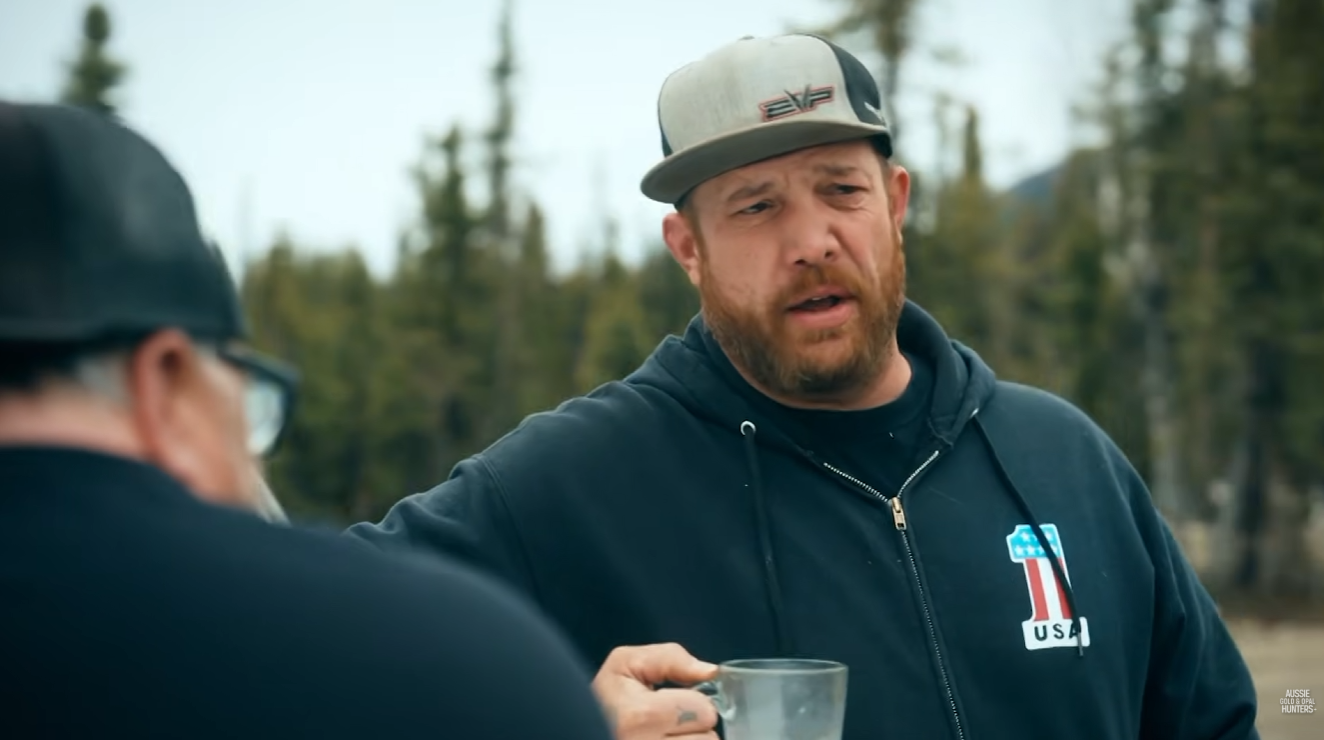
The incident reinforced the difficulties Parker faces in managing an operation that has grown far beyond the small mining crew he once supervised personally.
Elsewhere, Parker’s decision to bring back former employee Brennan Ruault provided a more positive development.
Brennan, who had previously left following disagreements with Parker, returned to work alongside his old friend Mitch Blaschke.
Their reunion brought renewed enthusiasm to the Sulphur Creek operation, where the team was attempting to identify valuable gold-bearing ground left behind by historic dredging operations.
The mining site presented a complicated challenge, with potentially rich untouched deposits hidden beneath old tailings.
Parker wanted the crew to begin testing the ground immediately, but Mitch believed draining the area was the more sensible first step.
The disagreement illustrated the tension between Parker’s demand for rapid results and the practical decisions his foremen must make on the ground.
Despite the challenges, Parker’s operation continued producing substantial amounts of gold.
At one weigh-in, the Dominion Creek crew recovered 161.8 ounces from wash plant Bob, while Sluicifer contributed another 112.1 ounces from the Golden Mile.
But maintaining that momentum became increasingly difficult.
A damaged rock-truck tyre, conveyor-belt problems, flooding and mechanical breakdowns repeatedly interrupted work.
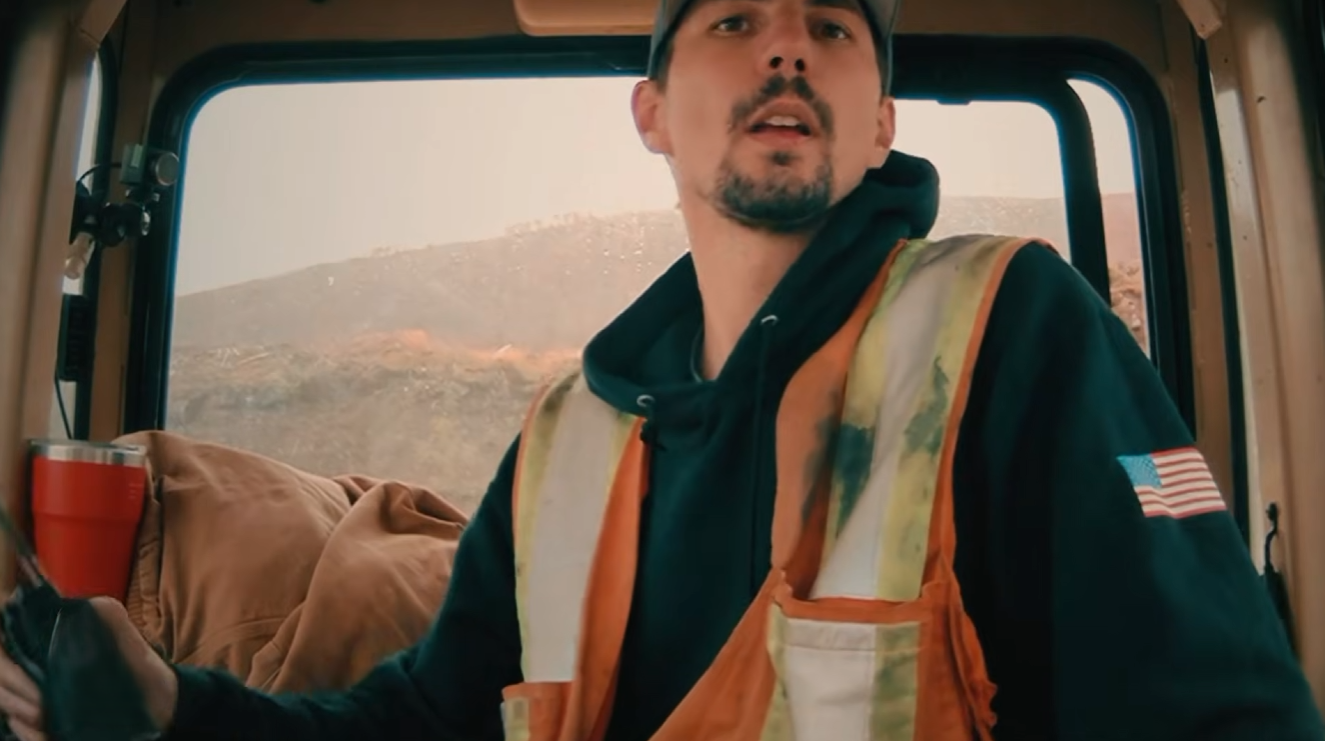
During another difficult week, Parker’s four-plant operation recovered 428.7 ounces, more than 200 ounces below the previous week’s total.
Although the haul was worth more than $1.5 million, the decline raised concerns about whether the team could sustain the production levels required to reach Parker’s ambitious target.
As the season progressed, the pressure intensified when weekly gold totals continued slipping.
At one point, Parker’s season total reached 6,742.3 ounces, but the team remained concerned about the combination of rising operating costs and decreasing output.
For Kevin Beets, however, an unexpected opportunity emerged through a worker Parker had dismissed.
Taven Peterson, who had been fired from Parker’s operation following disagreements over his attitude and willingness to follow instructions, approached Kevin looking for another chance in the mining industry.
Despite the circumstances surrounding his departure, Kevin decided to give him an opportunity.
Taven was assigned to night-shift work, helping Kevin move towards continuous, around-the-clock production.
The decision eventually paid off.
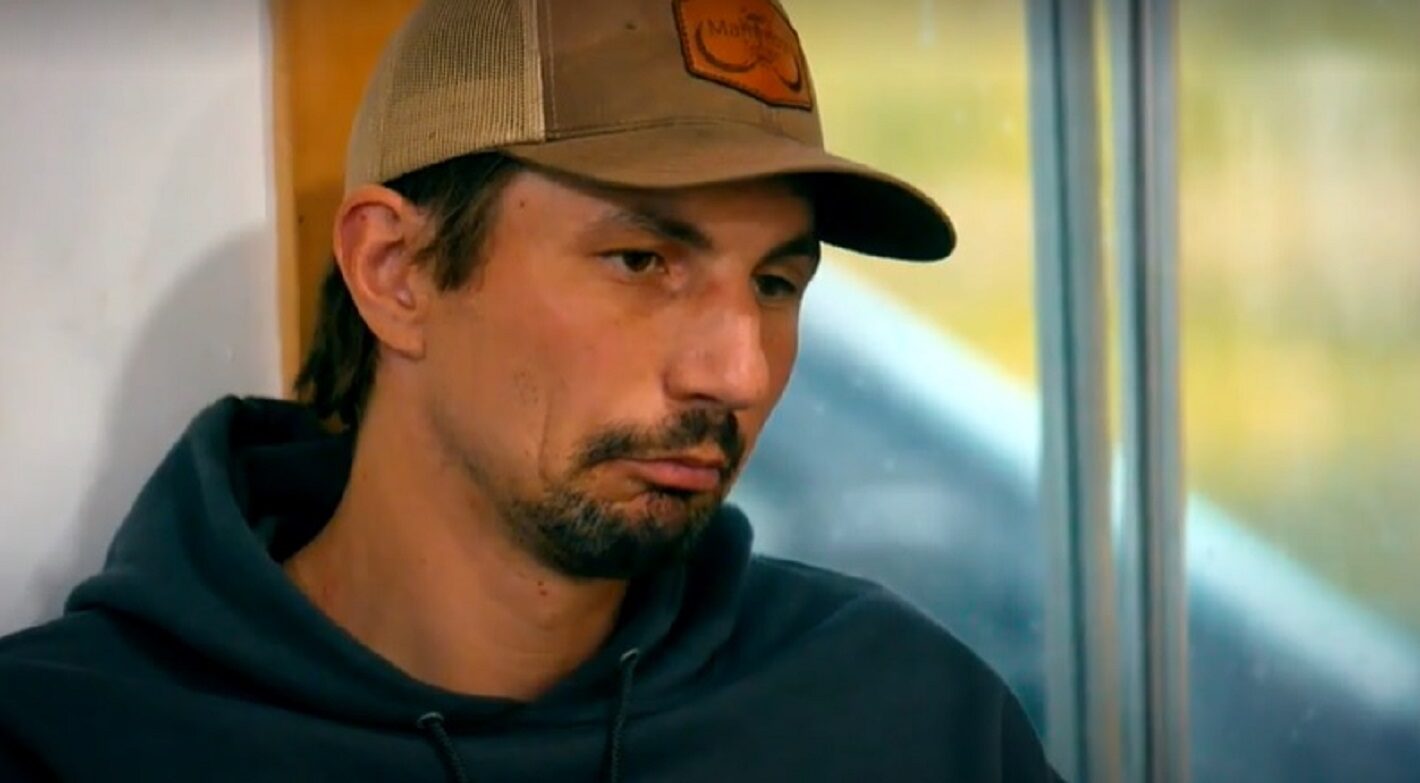
After two weeks of mining at the new Sphinx cut, Kevin’s crew delivered an impressive 250.245 ounces of gold, worth approximately $876,000.
It was his biggest gold weigh of the season, taking his total to 583 ounces and more than $2 million in recovered gold.
The achievement offered a much-needed boost after weeks of mechanical frustrations and workforce disruption.
It also demonstrated how quickly fortunes can change in the unpredictable world of Gold Rush.
While Parker continues pursuing his extraordinary 10,000-ounce target, Kevin is determined to prove that he can build a successful mining business despite losing workers to one of the industry’s most formidable competitors.
Both miners now face the same fundamental challenge: keeping their crews motivated, their machinery running and their wash plants processing enough gold-bearing material to justify the enormous costs of operating in the Klondike.
And as the season unfolds, the competition is becoming about far more than who can recover the most gold.
It is also a test of leadership, loyalty and whether the next generation of mining bosses can withstand the relentless pressure of running their own operations.
THEO DÕI CHÚNG TÔI TRÊN FACEBOOK