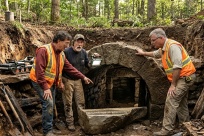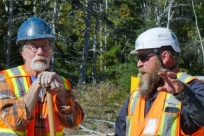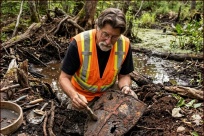
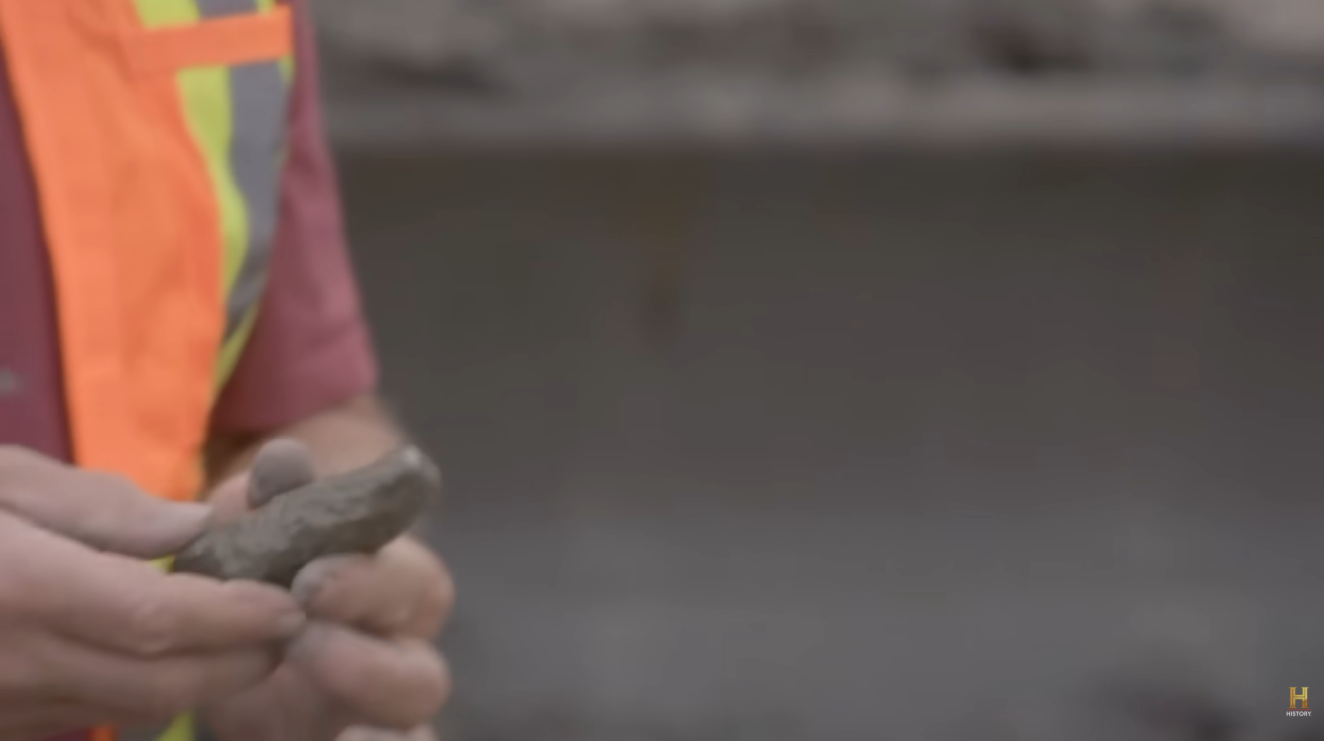
During the latest operation inside the TOT-1 shaft, members of the team recovered a heavily worn iron artifact from more than 160 feet underground. The discovery immediately raised questions about whether the object could be connected to the original builders of the mysterious underground structure.

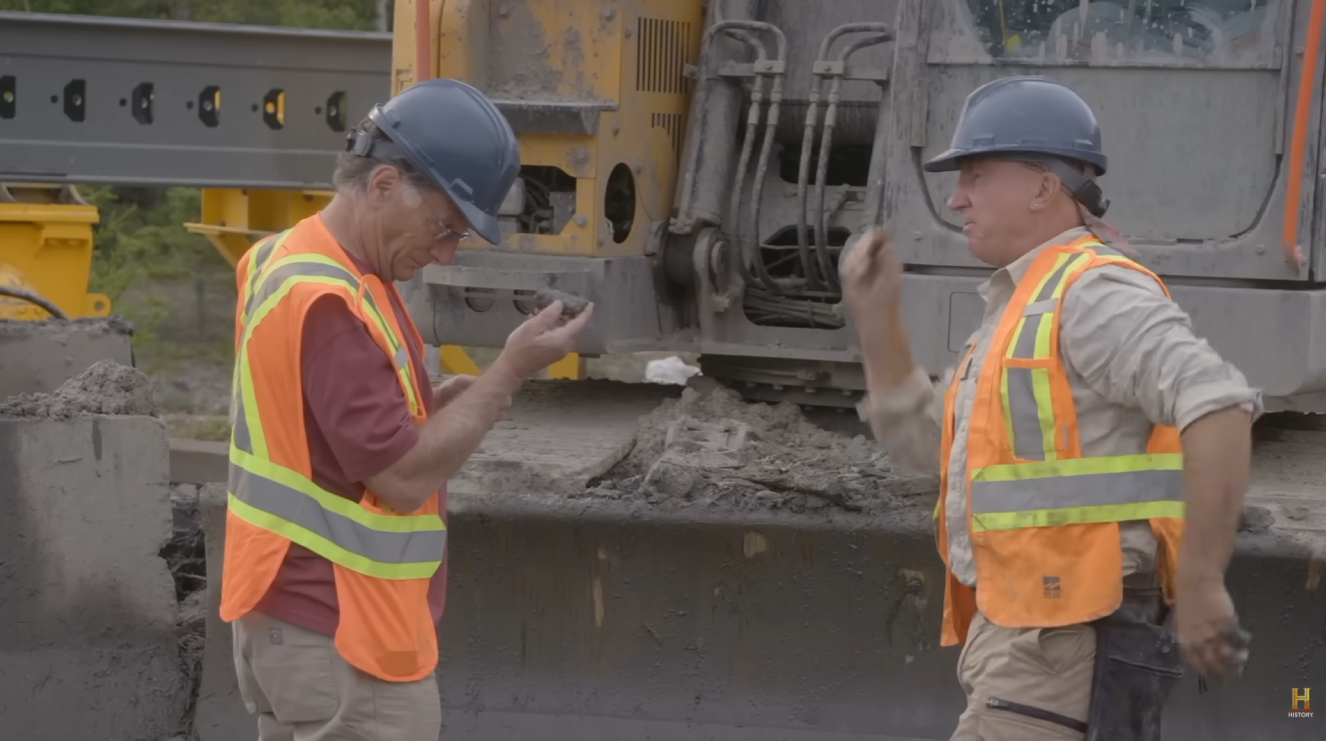
Marty Lagina and metal detection expert Gary Drayton examined the object and quickly suspected it could be part of an ancient mining tool, possibly the remains of a hand-forged pickaxe. The find was especially intriguing because it appeared to come from an area below the Chappell Shaft, outside the locations previously explored by searchers.
Ancient Pickaxe Discovery Could Rewrite Oak Island History
The artifact was brought to the Oak Island laboratory, where blacksmithing expert Carmen Legge conducted an examination.
According to Carmen’s assessment, the shape, construction, and wear patterns suggested the object was not a modern tool. He explained that the type of primitive mining tool appeared consistent with tools dating back as far as the 1500s or early 1600s.
Further analysis of the metal composition also suggested an early date range, potentially between the 1500s and 1700s. The findings excited the team because they could point toward human activity at the Money Pit site centuries before its famous discovery in the late 1700s.
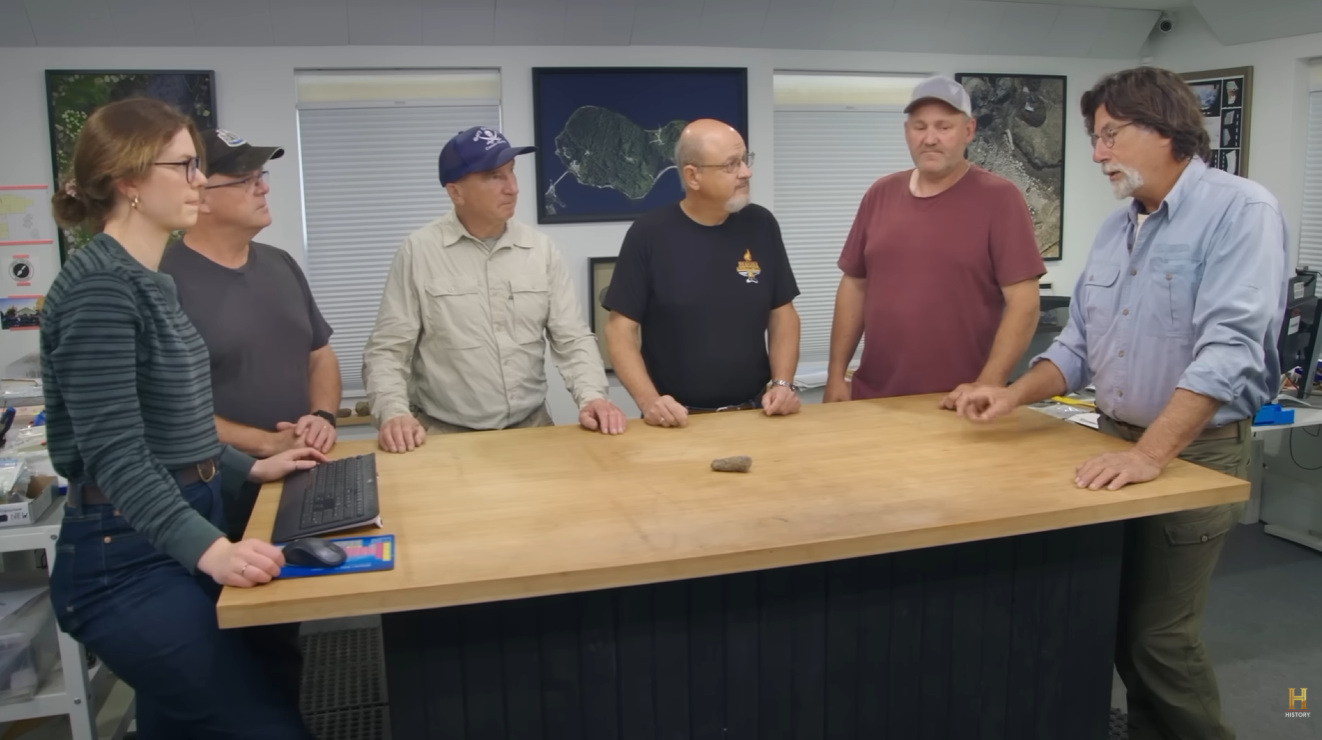
Rick Lagina described the discovery as potentially important evidence that workers may have been operating deep underground long before the known treasure hunters arrived.
Possible Link to Knights of Malta Mystery
The discovery has also renewed speculation about one of Oak Island’s biggest theories — the possibility that the Knights of Malta were connected to the construction of the Money Pit.
The team recently explored underground tunnels in Malta and learned about historic mining techniques and tools that some researchers believe may resemble those used in Oak Island’s mysterious underground structures. The possible age of the recovered tool has encouraged the team to investigate whether there could be a connection.
However, the discovery has not proven who created the Money Pit or what was hidden there. Instead, it represents another potential clue in a mystery that has remained unsolved for centuries.
New Discovery Beneath Smith’s Cove Adds More Questions
While the team investigated the possible pickaxe fragment, another search operation at Smith’s Cove produced a separate discovery.
Gary Drayton and Alex Lagina used metal detection equipment along the shoreline and located a large buried iron object beneath several feet of soil. After excavation, the team recovered a heavily encrusted metal piece that initially appeared mysterious.
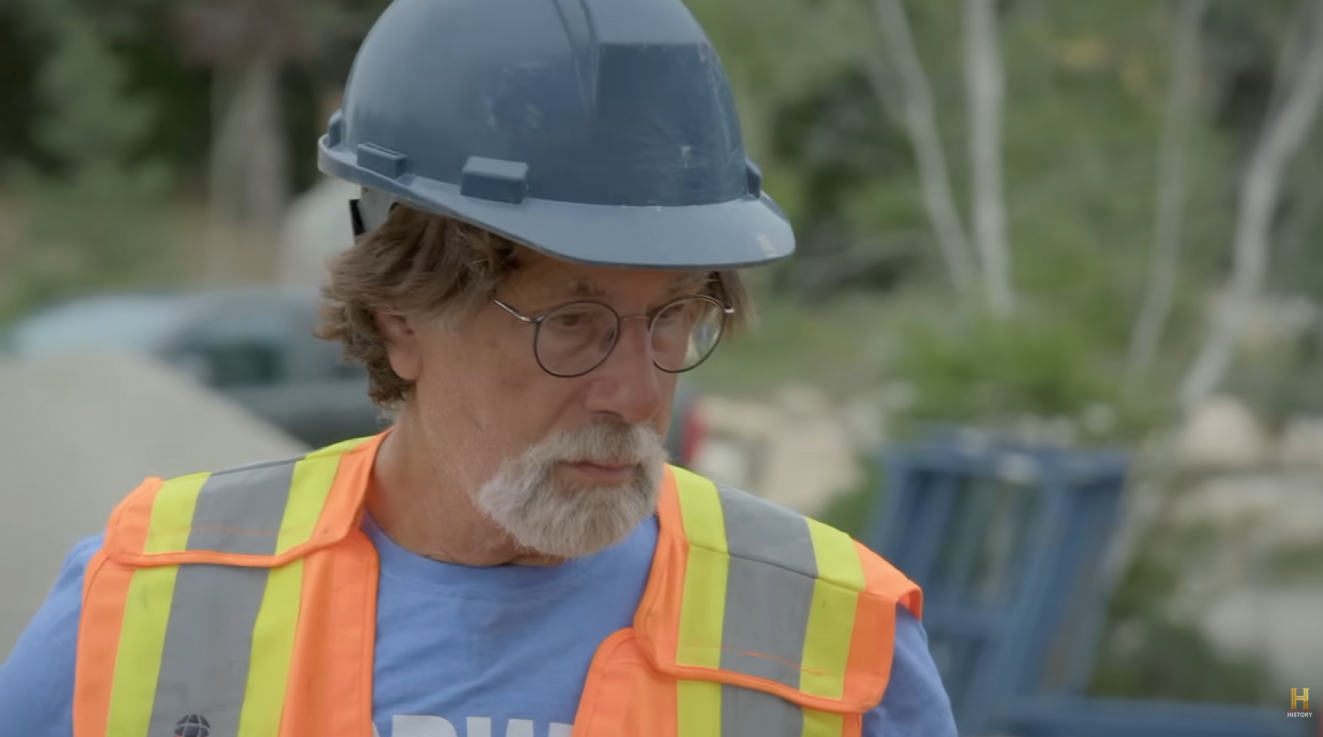
After laboratory analysis, archaeologist Laird Niven identified the object as a cast-iron stove door. The artifact featured a distinctive starburst design, which caught the team’s attention because a similar pattern had appeared on another artifact previously discovered on Lot 5.
Although the stove door does not appear directly connected to the original Money Pit construction, researchers believe studying these objects could help reveal more about the people who lived and worked on Oak Island throughout history.
Team Moves Closer to Possible Flood Tunnel
The excavation at Smith’s Cove also continued as Rick Lagina, Craig Tester, and other members searched for evidence of the legendary flood tunnel believed to have protected the Money Pit.
The team investigated an area connected to the Restall family’s 1961 excavation efforts, searching for signs of the old vertical shaft. Wooden remains and metal objects were discovered during the dig, including nails and possible construction materials.
The discoveries have encouraged the team to continue digging, believing that the area may contain clues leading toward the flood tunnel system.
Oak Island Mystery Continues
Despite decades of searching, the ultimate secret of Oak Island remains unsolved. The newly discovered iron tool, the Smith’s Cove artifacts, and possible traces of historic construction have created new excitement among the team.
For Marty Lagina, Rick Lagina, and their partners, every artifact brings them closer to answering the biggest question surrounding Oak Island:
Who built the underground structures, and what was hidden beneath the island?
The search continues, and the latest discoveries may represent another important step toward solving one of history’s most famous treasure mysteries.
THEO DÕI CHÚNG TÔI TRÊN FACEBOOK