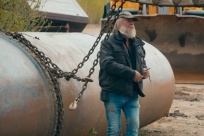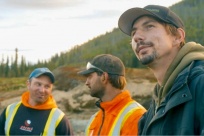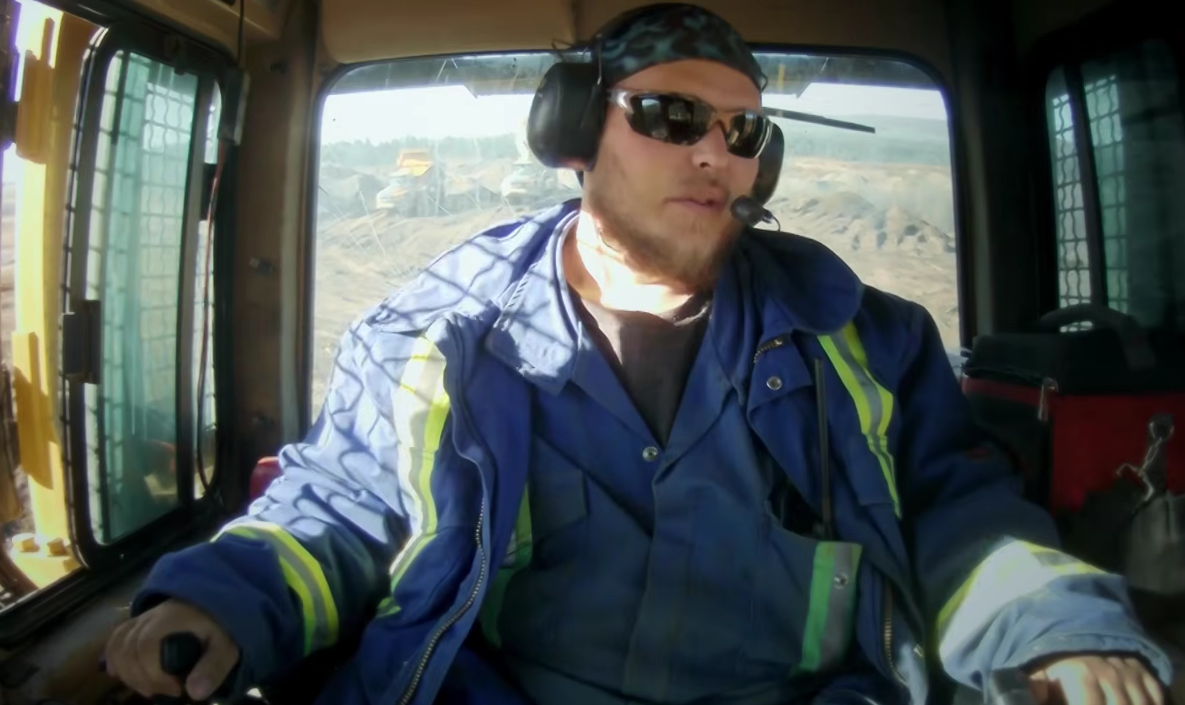
The latest Gold Rush development initially looked like a massive victory for Tony Beets and his crew. They had successfully navigated a high-pressure excavator maneuver to drop a massive metal culvert into the center of a rushing creek. But once the heavy steel was sitting in the water, the real story became a frantic, high-stakes race to stop a total washout.
The Beets operation was already weeks behind schedule and sitting at zero ounces for the season. To save their year, Tony had executed a massive pivot, abandoning his primary cut to relocate his entire multi-million dollar fleet to the Indian River. However, their access to the pre-stripped, gold-rich ground was completely blocked by a fast-moving creek with a collapsed bridge.
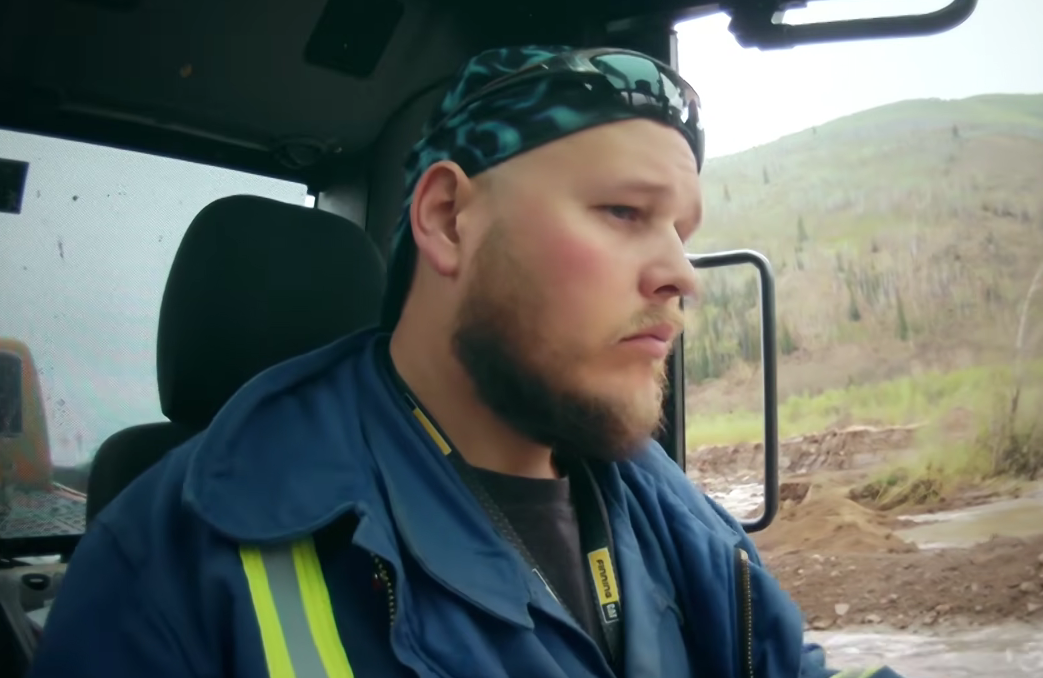
The immediate fix was aggressive: drop a massive 20-foot by 6-foot steel culvert into the water to channel the flow, then build a heavy-duty dirt road directly over it.
Tony's son, Mike Beets, executed the drop flawlessly, optimizing the water flow by landing the culvert dead center in the creek. However, the misdirection of the moment was the assumption that the hard part was over.
The reality was that the massive steel pipe was now sitting completely exposed in a rapidly surging creek. The spring thaw was actively accelerating the water velocity. Without a massive layer of heavy dirt and rock to anchor it down, the intense hydraulic pressure would quickly undermine the metal tube.
Tony immediately identified the impending crisis. "I need to fill this in, 'cuz otherwise that water's going to wash away the culvert," he observed.
If the water breached the sides of the exposed pipe, the entire structure would be violently pushed down the creek. A washout wouldn't just destroy their morning's work; it would completely sever their access to the Indian River pay dirt, bleeding even more time and capital from a season that was already deep in the red.
The pressure shifted entirely to the rock trucks.
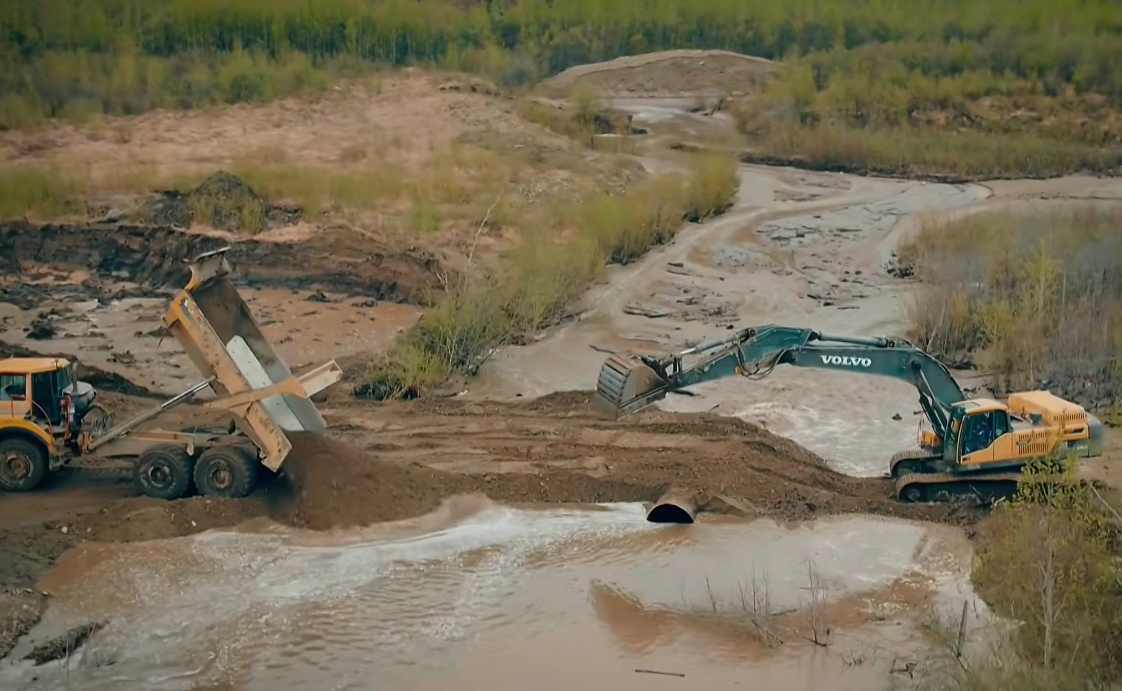
To secure the crossing, Mike Beets had to race against the rising current. The strategy was to use massive payloads of waste material and heavy tailings to build up an earthen dike around the steel pipe. It was a brutal test of speed and efficiency.
"You want to get there and quick," Mike explained from the cab of his heavy machinery. The stakes were incredibly clear: "The longer you wait, the more work you have to do to fix it, and if you wait too long, you have to start literally from the beginning again."
In the Klondike, starting over means burning thousands of dollars in diesel fuel and paying a crew to repeat a job they already finished. Mike pushed the heavy rock trucks into a relentless cycle, dumping massive loads of barren earth directly over the steel pipe and packing it down with the excavators.
The goal wasn't just to cover the metal; it was to engineer a structural foundation capable of supporting 50-ton excavators and massive wash plants. Mike systematically built the dike higher and wider, combating the rushing water by burying the culvert under hundreds of tons of compacted earth.
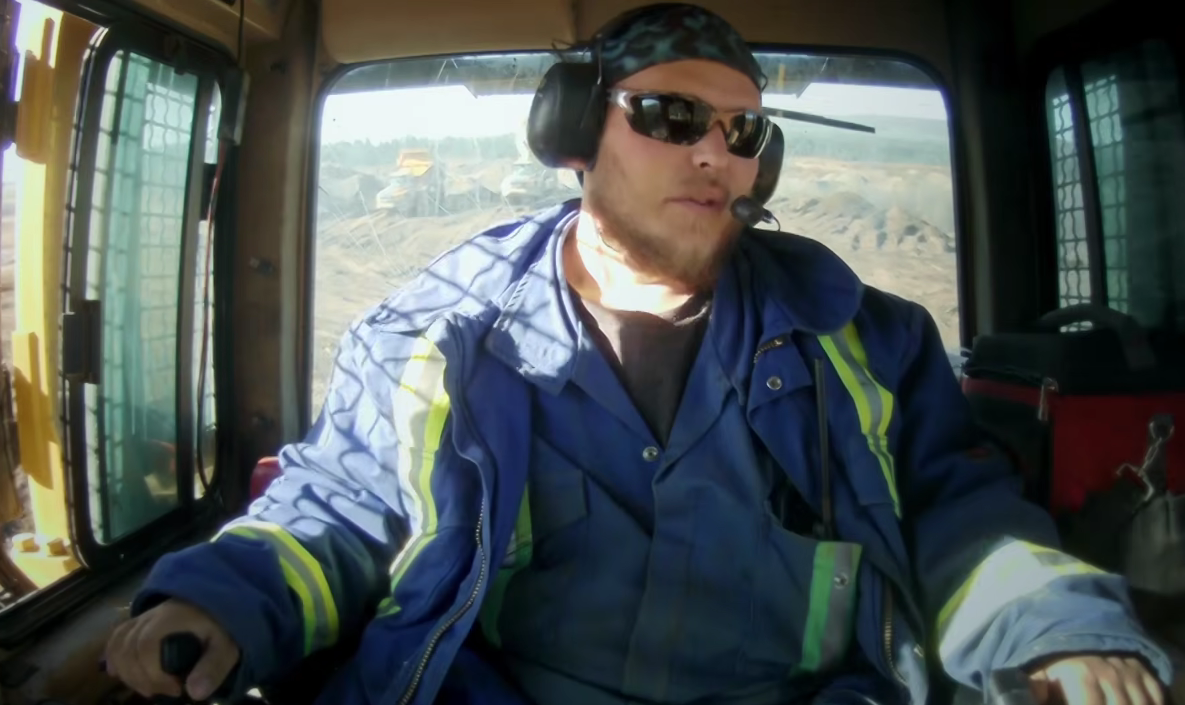
As the final loads of tailings were flattened out, the frantic pace finally broke. Mike had successfully laid down enough heavy dirt to completely secure the crossing, proudly noting that the operation now possessed a fully functional "two-lane road" over the rushing water.
The high-stakes engineering sprint saved the Beets family's massive pivot. Tony surveyed the new road, confirming that pick-up trucks and heavy equipment could finally cross the creek without getting wet. The entire relocation of the Paradise Hill camp to the Indian River was officially complete. But while the logistical nightmare of the move is over, the real challenge is just beginning. The crew has successfully secured their route to the gold, but they still have weeks of lost time and a massive zero-ounce deficit to make up for.
THEO DÕI CHÚNG TÔI TRÊN FACEBOOK