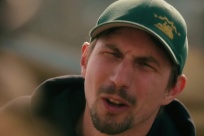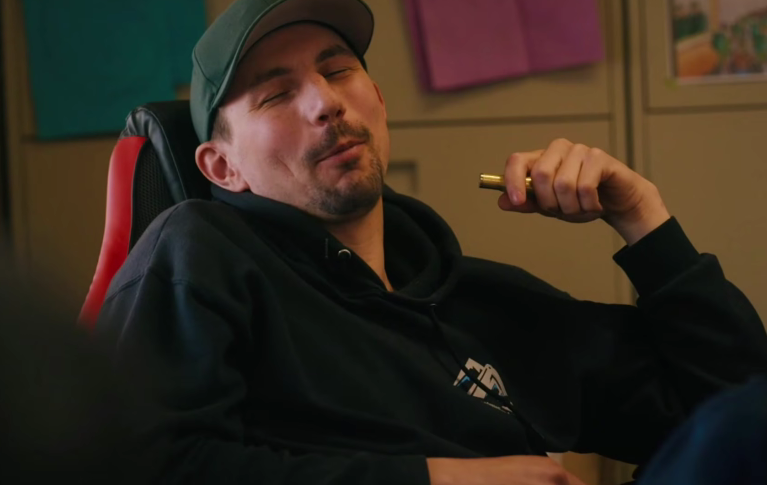
The latest development in Gold Rush Season 17 initially looked like a standard mechanical push to start the summer. Parker Schnabel’s veteran foremen were dividing and conquering new ground. But once the brutal reality of the local geography set in, the true story became a tense, high-stakes territorial dispute that required a staggering feat of engineering to resolve.
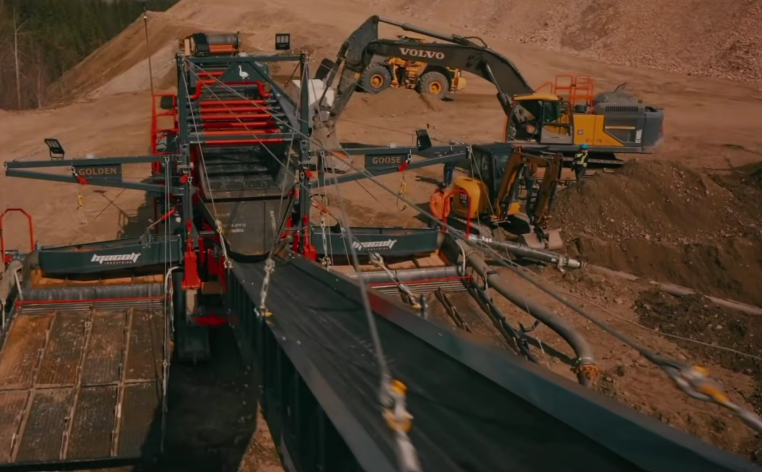
Parker entered the season with an aggressive, monumental target of 13,000 ounces. To hit that number, his operation needed to run flawlessly from day one. He split his top lieutenants to tackle multiple fronts simultaneously. Tyson Lee took charge of getting the massive Golden Goose wash plant operational at the Airstrip cut, while Mitch Blaschke was tasked with opening up a notoriously difficult area dubbed the "Quagmire Cut."
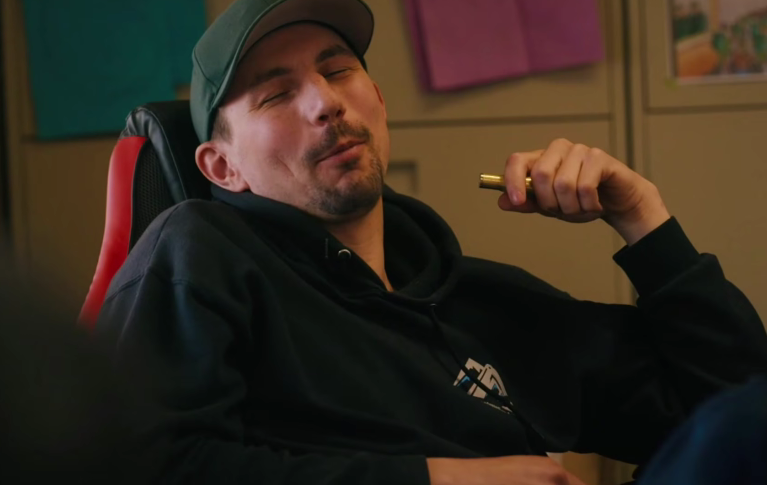
The Quagmire Cut immediately lived up to its name. Mitch was faced with a massive water management crisis. In placer mining, water is essential for sluicing, but uncontrolled runoff can turn a lucrative pit into an unworkable swamp.
However, the excess water at the Quagmire Cut wasn't just a localized problem; it was a massive diplomatic liability. The cut sits dangerously close to the official property boundary separating Parker’s empire from the Indian River claim owned by his fiercest rival, Tony Beets.
Gravity was not on Parker’s side. The water from the Quagmire Cut was actively draining directly across the boundary line, threatening to flood Tony’s ground. In the Klondike, flooding a neighbor’s claim is a severe violation that can quickly trigger regulatory intervention, red tags, and a complete halt of operations.
Desperate to avoid a catastrophic early-season shutdown, Parker attempted the diplomatic route. He decided to approach Tony directly, hoping to negotiate a mutual water management solution that would allow both operations to proceed safely.
But rivalries in the goldfields run deep. Tony Beets, currently fighting his own brutal operational delays and holding no desire to assist his biggest competitor, was not eager to make things easy. The negotiations stalled, leaving Parker and his crew completely on their own to manage the runoff. Cooperation was officially off the table.
With the diplomatic route dead, the engineering had to become radical.
Without permission to let the water naturally drain across the border, Mitch Blaschke came up with a highly unusual, brute-force solution: if they couldn't drain the water, they would have to trap it. The crew initiated the construction of a massive, heavily engineered earthen dam that they quickly dubbed the "Great Wall of Parker."
The sheer scale of the project was staggering. The crew was forced to pivot away from mining gold-bearing pay dirt to hauling and packing barren waste material. To properly secure the boundary and contain the massive volume of water, they had to move approximately 15,000 tons of overburden.
In the brutal economics of mining, moving 15,000 tons of dead dirt is a terrifying expense.
It requires running massive excavators and rock trucks at full throttle, burning thousands of gallons of expensive diesel fuel, and placing immense wear and tear on the heavy machinery. All of this capital was being spent without a single ounce of gold going into the box. At the start of a season where Parker desperately needed to maintain momentum to hit his 13,000-ounce target, spending the opening days building a giant mud wall appeared to be a costly, season-derailing misdirection.
But the massive engineering gamble was a calculated defensive maneuver designed to protect a secondary offensive.
While Mitch and his crew were tied up waging a territorial water war along the Beets boundary, Tyson Lee was quietly executing his own mission. Shielded from the threat of a regulatory shutdown by the newly constructed Great Wall, Tyson raced to get the Golden Goose wash plant fully operational at the Airstrip cut.
The true success of the 15,000-ton gamble was finally revealed when Parker gathered his crew in the gold room for the very first clean-up of the season.
Despite the massive financial drain and logistical nightmare of the boundary dispute, Tyson’s undisturbed run at the Airstrip cut delivered a massive early victory. The crew poured the raw gold onto the scales, watching the numbers climb rapidly until they settled at a highly impressive 145.50 ounces.
Because of the extraordinary, record-high market valuation of gold, that opening haul was worth an estimated $720,000.
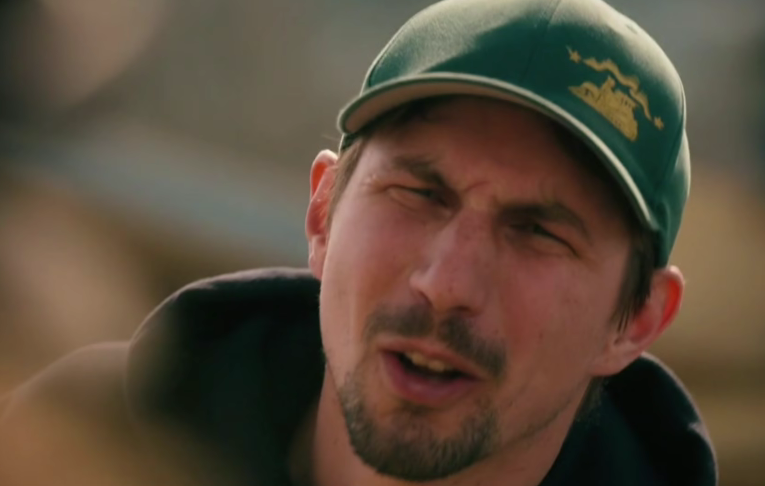
The "Great Wall of Parker" was a costly, exhausting diversion, but it accomplished exactly what it was designed to do. By violently securing his borders and refusing to be crippled by Tony Beets' lack of cooperation, Parker successfully protected his operation. He put massive gold on the board and secured a $720,000 payday while his rival was still struggling to get his own ground ready. The massive opening clean-up proves that Parker Schnabel is willing to literally move mountains to defend his territory and his Klondike crown.
THEO DÕI CHÚNG TÔI TRÊN FACEBOOK