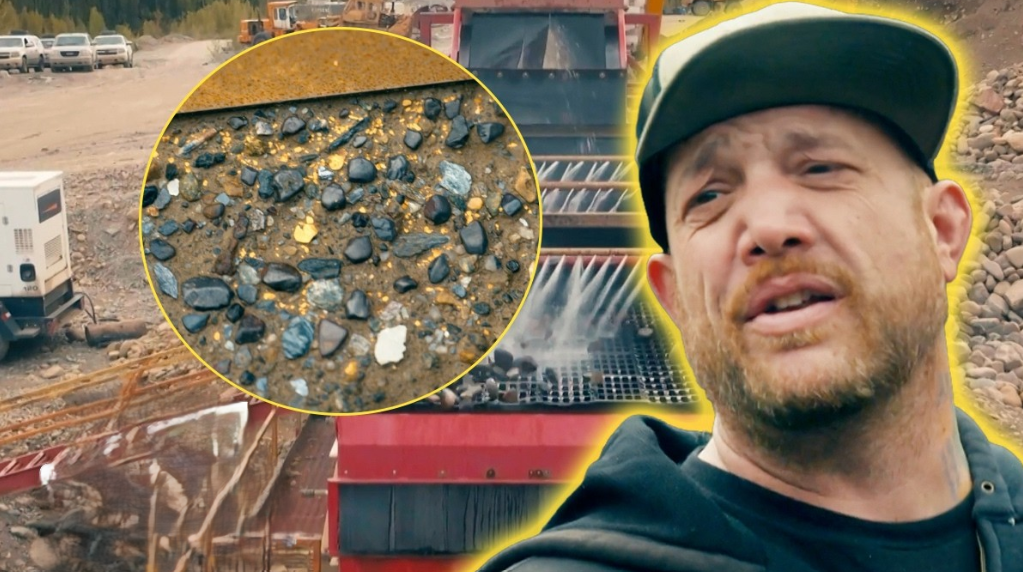
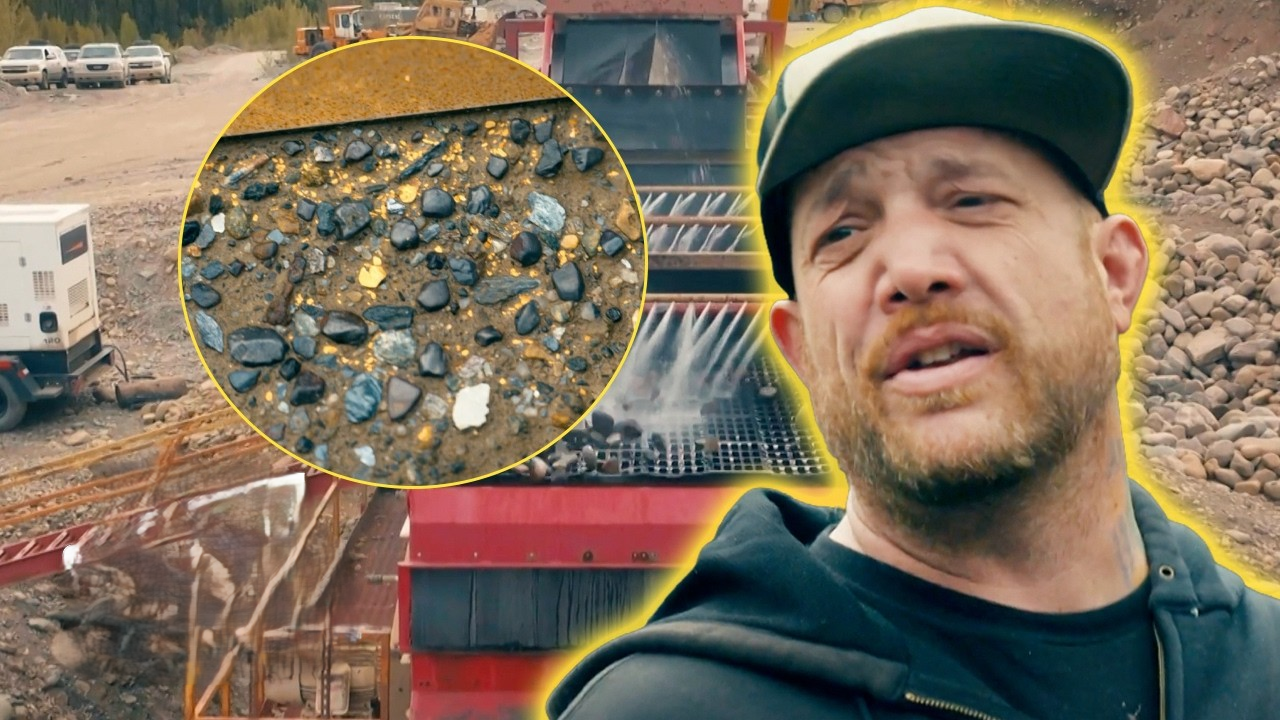
The Discovery Channel favourite was attempting to rebuild his mining business following a year away from the industry, determined to recover financially and prove that he could once again run a successful gold operation.
However, just as his small crew began producing promising results, a devastating mechanical breakdown left his wash plant without water and forced production to stop.
With limited financial resources and an ambitious target of 1,000 ounces of gold, Rick suddenly found himself confronting an expensive problem that could disrupt his entire season.
Rick Ness Makes a Promising Return to Mining
After spending a year away from the goldfields, Rick returned to the Yukon with a smaller operation and a renewed determination to succeed.
Rather than immediately expanding his workforce, he focused on building a reliable team and processing leftover pay dirt from Rally Valley.
One month into the season, the strategy appeared to be working.
Rick had recovered approximately 65 ounces of gold, valued at around $130,000 in the episode, providing a much-needed financial foundation.
Although the results were modest compared with those of larger mining operations, Rick was encouraged by the steady progress.
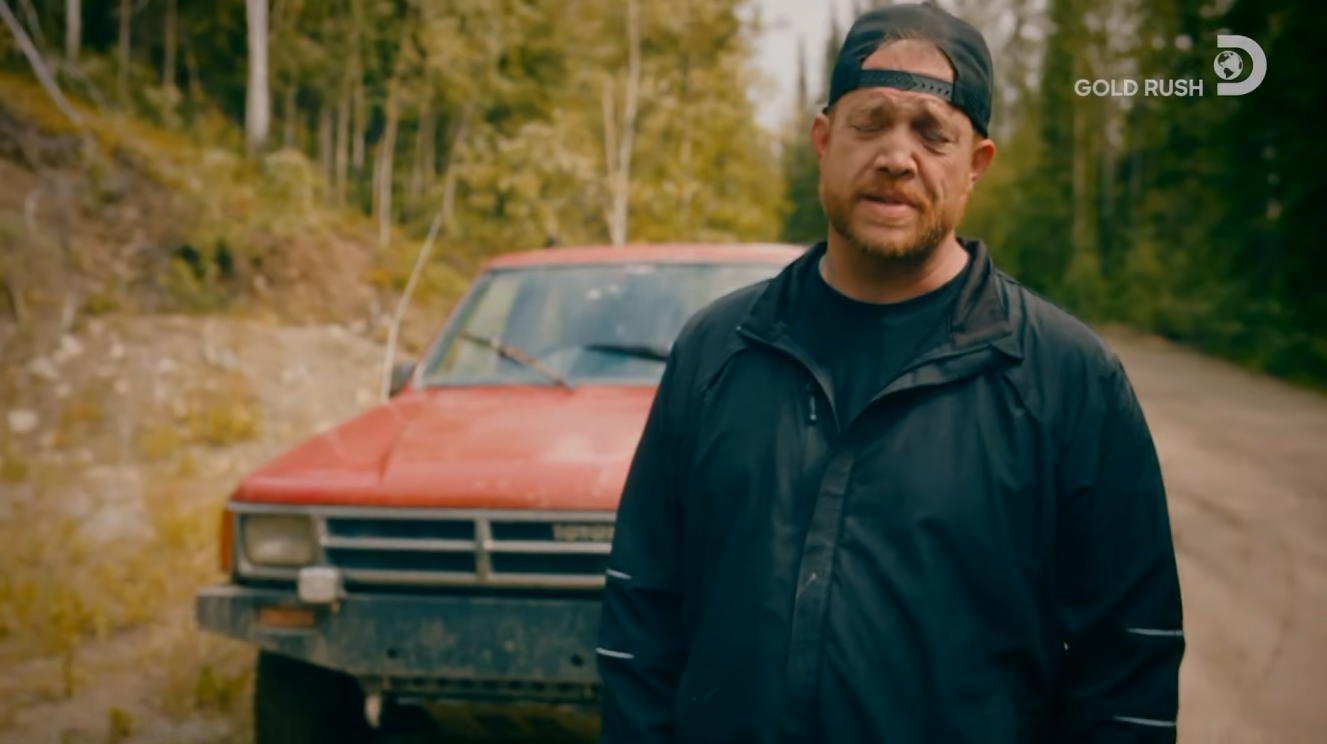
“I mean, we’re not breaking any records as of right now, but we’re definitely getting ahead, and I’m happy about that,” he explained.
He hoped that continued production would eventually allow him to employ additional workers, purchase equipment and expand his operation.
Among his crew were newcomer Morgan Lauren, who operated the loader feeding Monster Red, and Buzz Legault, who handled material removed from the wash plant.
Morgan was processing approximately 120 yards of pay dirt per hour, while the small team concentrated on maintaining consistent production.
For Rick, rebuilding his reputation was just as important as finding gold.
He admitted that his previous absence had raised questions about whether he could successfully return to mining.
Although he believed taking time away had been necessary, he understood that he still had much to prove.
A Critical Pump Failure Brings Everything to a Halt
Just as the operation was beginning to gain momentum, Rick received alarming news from his crew.
The powerful water pump supplying Monster Red had suddenly stopped working.
When Rick inspected the equipment, he discovered smoke, a strong smell of coolant and contaminated engine oil.
The pump’s head gasket had failed, allowing coolant and oil to mix and causing serious internal engine problems.
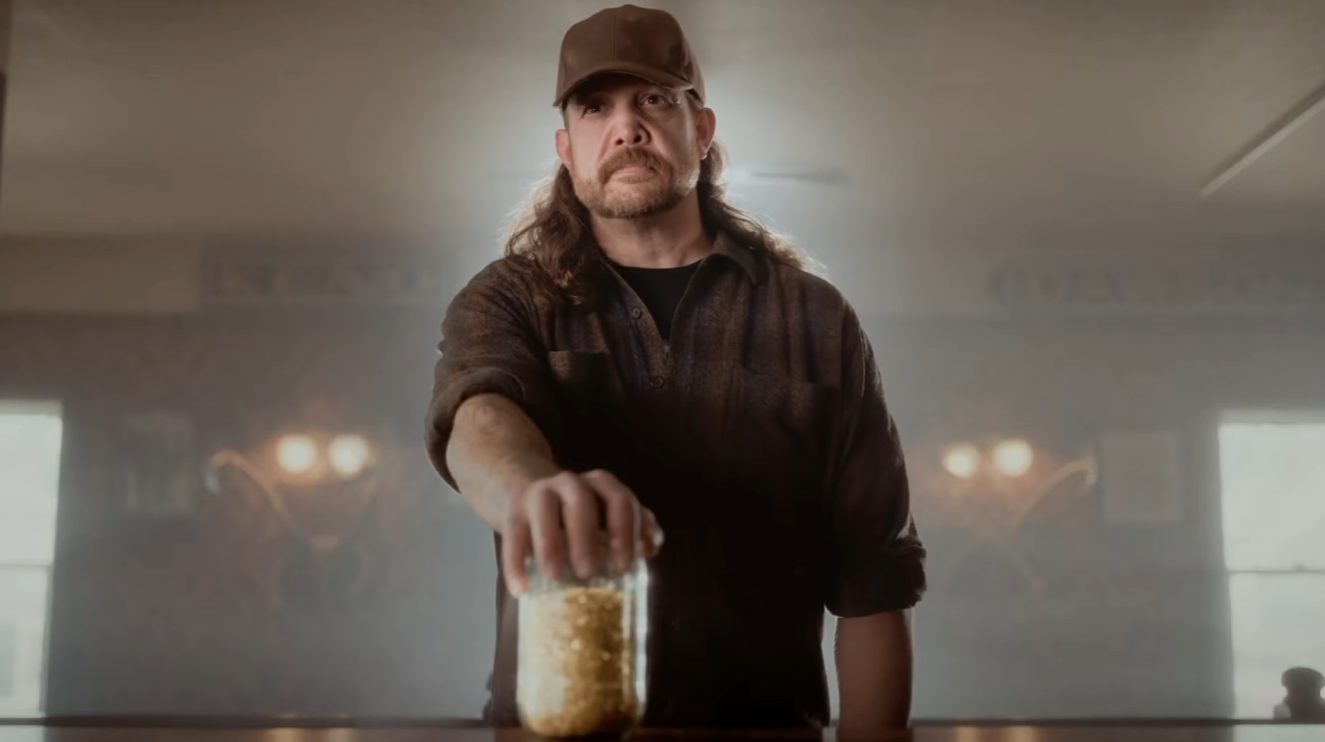
With the 460-horsepower unit no longer operational, the wash plant could not process gold-bearing material.
The situation was particularly troubling because Rick had no replacement pump available.
A new unit could cost more than $200,000, an expense his recovering business could not easily afford.
“All I can think to do is start making phone calls. Maybe find a new pump somewhere,” Rick admitted.
He contacted equipment suppliers in search of a suitable replacement, but the response was discouraging.
One supplier explained that available inventory had already been exhausted, with comparable equipment difficult to obtain across the region.
For Rick, the timing could hardly have been worse.
Three Days of Lost Production
Without a functioning pump, Monster Red remained idle while Rick searched for a solution.
Every day without production meant additional financial pressure, particularly as his crew still needed to be paid and the operation continued accumulating expenses.
Rick eventually secured a leased replacement pump, allowing mining to resume after a three-day shutdown.
However, the interruption had already cost the operation an estimated $20,000 in lost gold production.
The setback highlighted how vulnerable a small mining business can become when essential machinery fails.
Unlike larger operators with multiple spare machines, Rick had limited resources and little room for prolonged disruptions.
Nevertheless, he remained determined to continue.
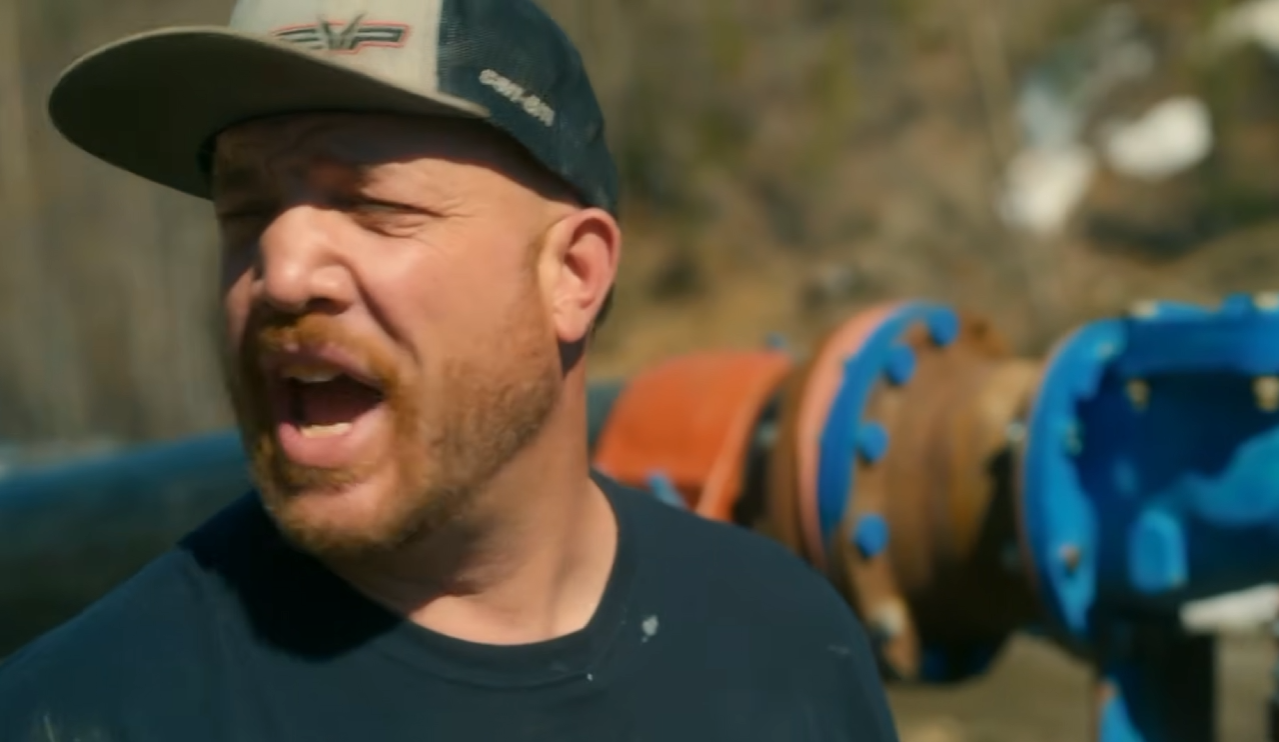
When water finally returned to Monster Red, the atmosphere around the mine immediately improved.
The crew resumed feeding material into the plant, eager to recover the time they had lost.
Rick Refuses to Give Up on His 1,000-Ounce Goal
Despite the mechanical problems, Rick continued pursuing his ambitious target of 1,000 ounces for the season.
He initially needed approximately 20 ounces a week to meet immediate operating costs and build funds for future expansion.
However, the first cleanup following the shutdown produced only about 12 ounces, leaving Rick aware that his operation needed to increase production significantly.
“We’ll never get there with 12 ounces at a time,” he acknowledged.
Still, Rick believed that adding workers and increasing processing capacity could eventually improve the results.
He thanked his crew for their efforts and encouraged them to maintain their momentum.
For the returning Gold Rush star, the season was about more than a single gold total.
After a difficult period away from mining, Rick was determined to rebuild a sustainable business and demonstrate that his operation still had a future.
Although the expensive pump failure created another obstacle, getting Monster Red running again represented an important achievement.
With his crew working together and gold continuing to appear in the sluice, Rick had at least given himself another opportunity to make his comeback a success.
The question now was whether he could increase production quickly enough to turn that encouraging start into the profitable season he desperately wanted.
THEO DÕI CHÚNG TÔI TRÊN FACEBOOK