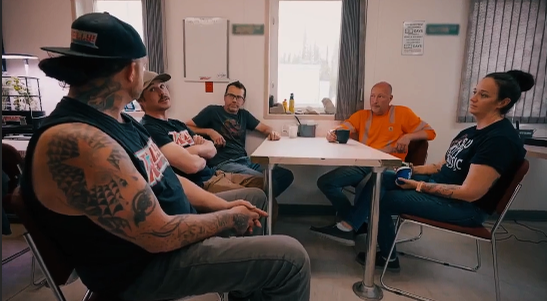
The latest episodes of Gold Rush are revealing a fascinating battle across the Yukon, where every mining crew faces a different challenge. Parker Schnabel is expanding his operation, Tony Beets is pushing production at Midas Cut, Rick Ness is searching for a way forward after serious setbacks, and newcomer Greg Gibson is attempting to establish a profitable foothold.
Their operations may look similar from a distance, but the numbers tell a very different story. Some crews have enormous land holdings, others have multiple processing plants, and at least one is still trying to prove that its newest investment can deliver.
Parker Schnabel: A Massive Operation With a Complicated Problem
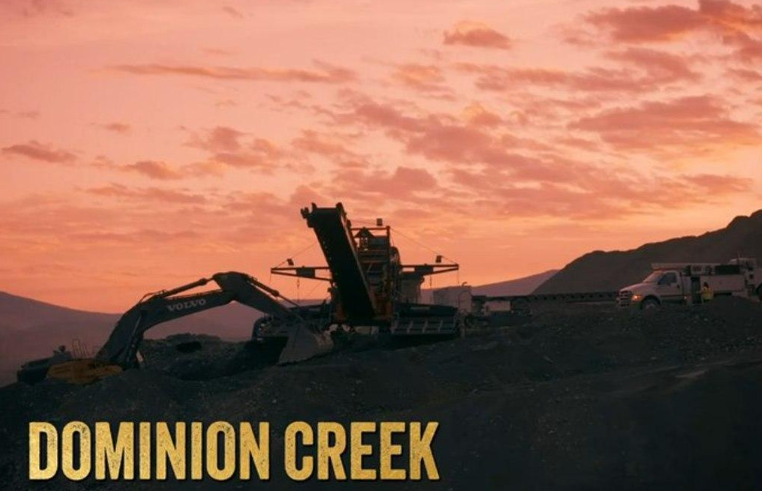
Parker Schnabel remains one of the most ambitious mine bosses in the competition. His Season 17 strategy revolves around Dominion Creek and additional ground leased from Ken and Stuart, with several mining areas being developed to support an increasingly demanding production schedule.
His operation includes locations such as Airstrip Cut and Quagmire Cut, alongside other working areas connected to his broader mining plans. Parker is targeting 13,000 ounces this season, with a production strategy built around multiple wash plants operating across different sites.
The scale of that ambition is impressive, but there is a major complication. Parker's operation depends on reliable water access, careful coordination between mining locations, and the ability to keep expensive equipment running without interruption.
The tension with Tony Beets over land boundaries and water access adds another layer of uncertainty. Parker may have the equipment and workforce to pursue a huge season, but even a powerful mining operation can struggle when access to essential resources becomes a problem.
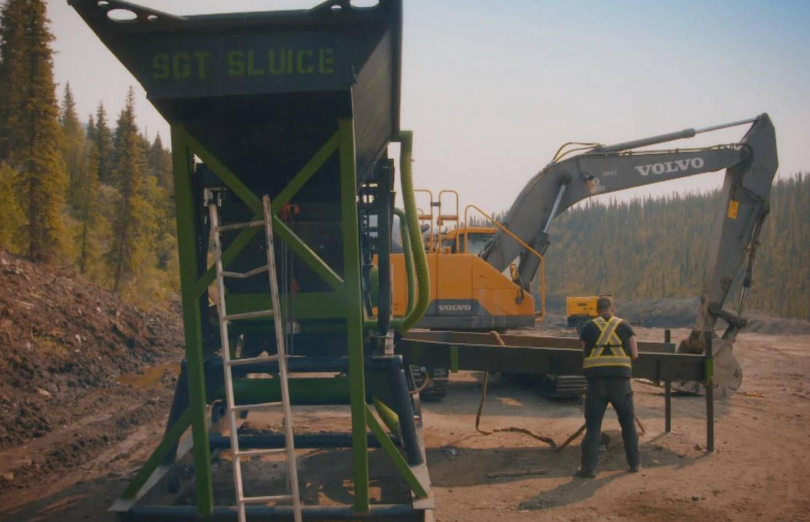
One important detail remains unknown: the total acreage Parker currently owns, leases, or actively mines. The show has highlighted individual cuts and production targets, but there is not enough verified information to calculate his total active mining area.
Tony Beets: Is the King of the Klondike About to Outproduce Parker?
Tony Beets is taking a different approach, concentrating much of his Season 17 activity around Indian River and the Paradise Hill mining operation. Midas Cut has become a particularly important location, with the Beets crew working to maximize production through two processing plants.
The Sluice-A-Lot and Find-A-Lot wash plants are central to that strategy. In Episode 6, the two operations reportedly recovered approximately 449.96 ounces and 350.50 ounces respectively, bringing their combined weekly production close to 800 ounces.
That is a significant result, especially when compared with the difficulties facing some of the other crews. Tony's experience, established infrastructure, and ability to organize a large family operation give him a formidable advantage.
However, the total acreage of Tony's active mining ground has not been clearly established in the available Episode 6 information. Midas Cut is a major focus, but its precise working area should not be confused with the total land controlled by the Beets family.
The bigger question is whether Tony can maintain this level of production. If his two plants continue delivering strong weekly results, Parker may find that catching up is considerably harder than expected.
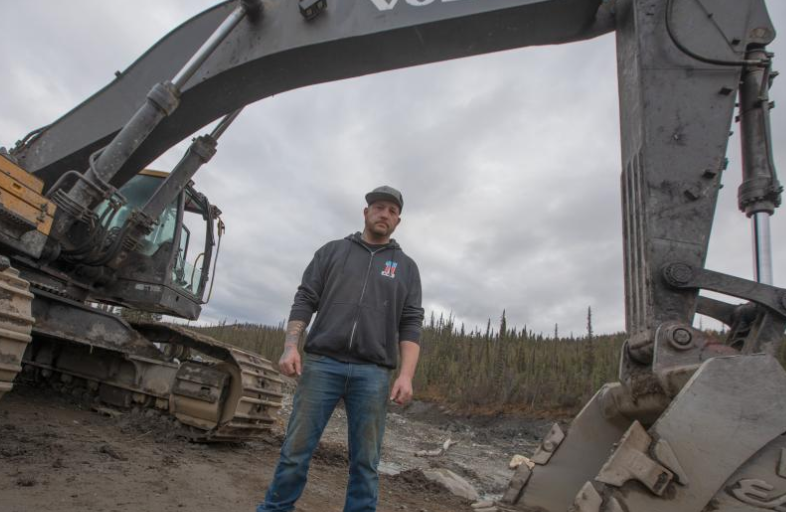
Rick Ness: 3,300 Acres, But How Much Can He Actually Mine?
Rick Ness presents one of the most interesting contrasts in Season 17. On paper, his land holdings are substantial, with approximately 1,700 acres at Duncan Creek and another 1,600 acres at Lightning Creek.
Combined, those two properties represent around 3,300 acres. That figure makes Rick's land position particularly interesting, but it does not mean that he is actively mining all of that ground.
His biggest challenge has been finding workable areas after restrictions affected mining at dangerous high-wall pits. Instead of simply continuing with his previous plan, Rick has been forced to reconsider where and how his crew can operate.
Episode 6 introduces another possible opportunity: a 32-acre area south of his existing operation. The ground is being investigated as a potential location for future work, but it should not yet be treated as a fully established producing mine.
Rick is also dealing with equipment problems, including trouble involving a large 700 excavator. These setbacks raise an uncomfortable question: can he turn his considerable land holdings into actual gold production before the season slips away?
Having thousands of acres is one thing. Finding the right ground, securing the necessary access, and operating profitably are entirely different challenges.
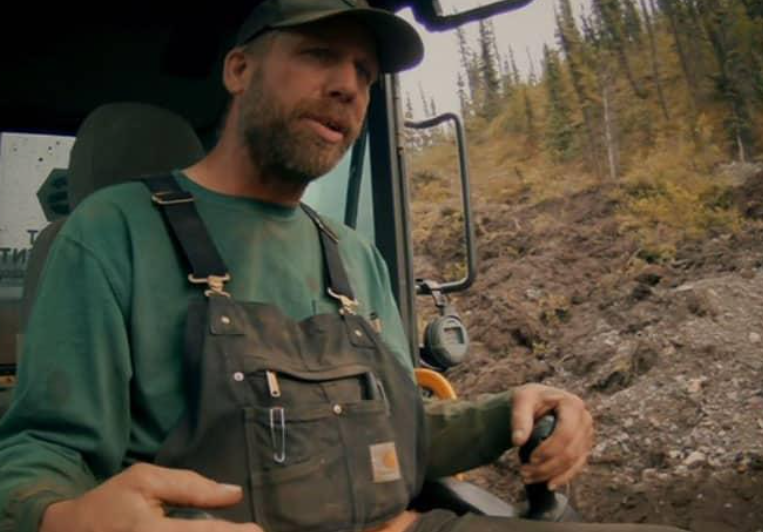
Greg Gibson: The Newcomer With 60 Acres and Bigger Ambitions
Greg Gibson is one of the newer faces bringing fresh competition to Season 17. His operation is developing around several Yukon properties, with Trail Hill on Bonanza Creek serving as an important starting point.
Trail Hill has been identified as a 60-acre property. While that is much smaller than Rick's combined land holdings, its potential depends on the quality of the ground and how effectively Greg's crew can develop the site.
Buzz Legault has been working on the logistical challenge of bringing the necessary equipment to Trail Hill. Moving the feeder from Sulphur Hill and getting the Hot Box wash plant operating are important steps toward turning the property into a productive mining operation.
Greg's financial resources and wider land interests could make him a serious competitor in the future. However, his operation is still developing its infrastructure, and the real test will be whether the investment produces consistent gold.
For now, the 60-acre figure represents the known size of Trail Hill, not the total acreage of every property associated with Greg.
The Acreage Battle: Who Has the Biggest Advantage?
Looking strictly at the specific acreage figures available, Rick Ness has the largest documented land position among these four operations. His 3,300 acres across Duncan Creek and Lightning Creek dwarf Greg Gibson's 60-acre Trail Hill property and the additional 32-acre area Rick is investigating.
But acreage alone does not determine who is winning. Parker's strength lies in the scale and coordination of his operation, while Tony has demonstrated the ability to generate impressive weekly production from his processing plants.
Greg, meanwhile, represents a different kind of threat: a newcomer with the resources and ambition to build something much larger. His current operation may be smaller, but the potential of his wider land portfolio remains an open question.
There is also a major information gap. The available figures do not establish the exact acreage actively being excavated by Parker or Tony, nor do they provide a complete breakdown of every property held by all four crews.
The Real Winner May Not Be the One With the Most Land
Season 17 is becoming more than a contest over gold totals. It is a test of infrastructure, access to resources, equipment reliability, and the ability to make difficult decisions under pressure.
Rick may have the biggest documented acreage figure, but Parker and Tony appear better positioned in terms of established production systems. Greg is still building his operation, and the coming episodes could reveal whether his investment has the potential to disrupt the competition.
So who actually has the strongest position in the Yukon? Is it Parker, with his ambitious multi-site strategy? Tony, with two wash plants delivering nearly 800 ounces in one week? Or Rick, whose enormous land holdings could become a major advantage if he finds the right ground?
And perhaps the most intriguing question is still unanswered: what happens when the crews stop fighting over how much land they control and start revealing how much gold that land can really produce? The next cleanup could change the entire Season 17 race.
THEO DÕI CHÚNG TÔI TRÊN FACEBOOK