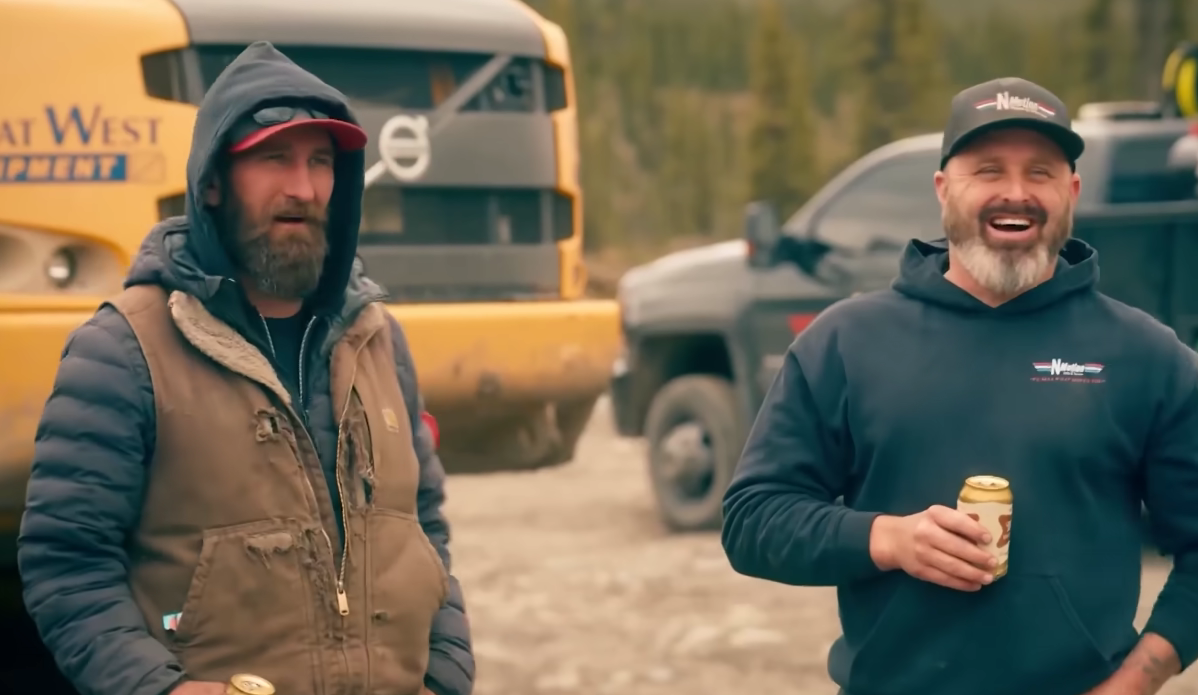
For a miner, the most valuable asset isn’t always the heavy machinery or the fuel in the tanks; sometimes, it is the legal permission to put a bucket in the dirt.
The latest Gold Rush development initially looked like a standard pivot for a crew backed into a corner. But once the real legal constraints were lifted, the true scale of an impending, multi-million dollar strategy change was finally revealed.
For Rick Ness, the beginning of the season was defined by a brutal, forced compromise. After losing his vital water license on Lower Duncan Creek—a claim that had previously paid out nearly 6,000 ounces in just four years—Rick had to abandon a massive pay dirt pile that potentially contained more than $1.4 million in gold. With his primary claim red-tagged by regulations, Rick pivoted to Lightning Creek, a backup claim with promising boulders but entirely unproven ground.
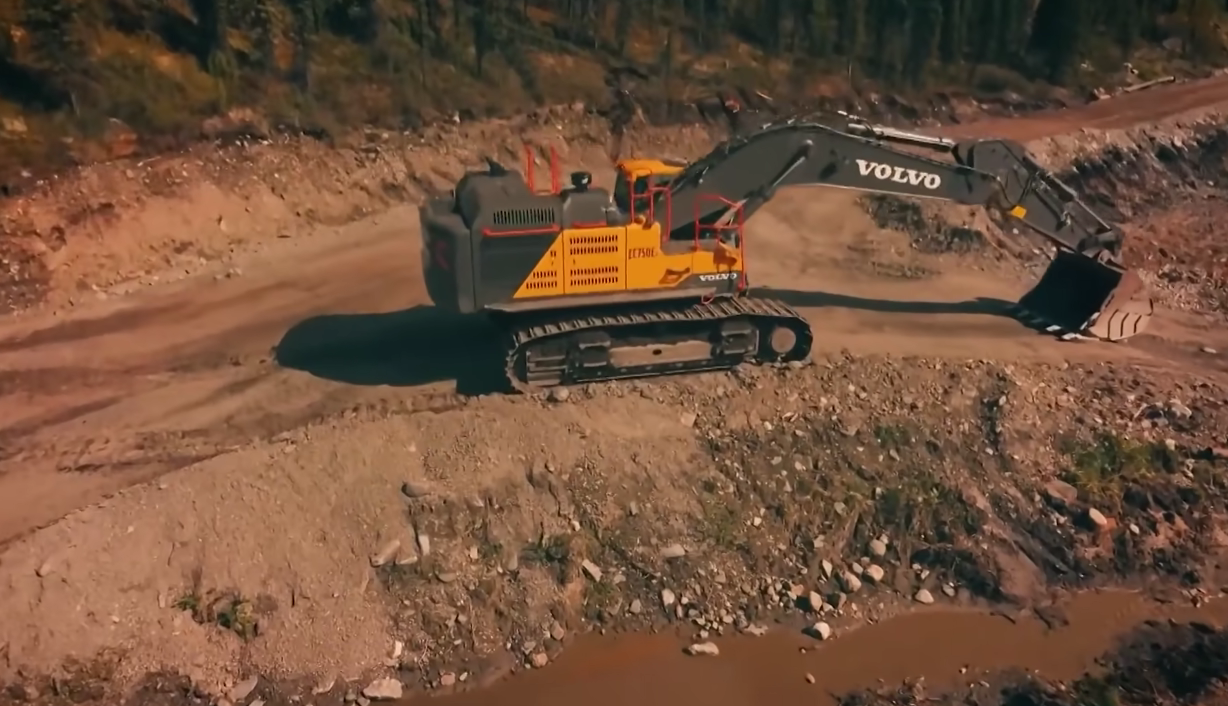
His crew, including operator Bailey, immediately went to work stripping the new "boulder cut" at Lightning Creek, hoping the massive rocks indicated large deposits of heavy gold left by ancient glaciers. But almost instantly, the operation hit a wall. The vital 750 excavator—the machine responsible for feeding the entire wash plant—suffered a blown hydraulic hose. Pumping fluid at 5,000 pounds per square inch, the compromised hose brought the entire Lightning Creek operation to a grinding halt. If there is no pay dirt moving to the plant, there is no gold in the box.
While mechanic Ryan scrambled to replace the high-pressure hose and get the 750 back in the dirt, the true turning point of the season arrived not from a wash plant, but from a verified email.
Rick finally received the news he had been praying for: the attorney confirmed that a water license extension for Lower Duncan had been officially granted until November 2025. The land use permit was active. The massive Vegas Valley cut was legally open for business.

For Rick, the news was monumental. The team now had legal access to a pre-stripped stockpile that could yield 400 ounces of gold almost immediately. However, the legal victory presented an immediate and complex dilemma. While the crew—exhausted by the struggles at Lightning Creek—wanted to immediately pack up the wash plant and sprint back to the rich ground of Vegas Valley, Rick was bound by a massive financial obligation. He still owed Troy, the owner of the Lightning Creek claim, 100 ounces of gold to finalize the purchase of the property.
Abandoning Lightning Creek before securing that 100-ounce debt could jeopardize the entire deal, forcing Rick into a balancing act between quick cash and long-term expansion. The final weigh-in for the week at Lightning Creek yielded just 22.35 ounces—worth roughly $78,000. While it was a massive improvement over the previous week, it was a fraction of what Vegas Valley could produce. The immediate future of Rick’s season now hinges on how quickly he can extract Troy's 100 ounces before finally returning to his $1.4 million stockpile at Lower Duncan.
Meanwhile, miles away at Scribner Creek, the reality of crippling operational debt was hitting Kevin Beets hard. After a strong start to his independent season, Tony Beets' eldest son found himself hemorrhaging crew members and battling constant wash plant shutdowns. Down to a skeleton crew, Kevin was forced to step out of the manager's seat and personally fix a malfunctioning skid plate on his wash plant just to keep the operation alive.
But mechanical issues were only half of Kevin's problem. Last season, Kevin and his partner Faith purchased a bucket, a ripper, and a rock truck from rival mine boss Parker Schnabel, racking up nearly $130,000 in debt. With Parker suddenly showing up on the claim demanding payment for the six-month-old invoice, the pressure on Kevin's small operation reached a boiling point.
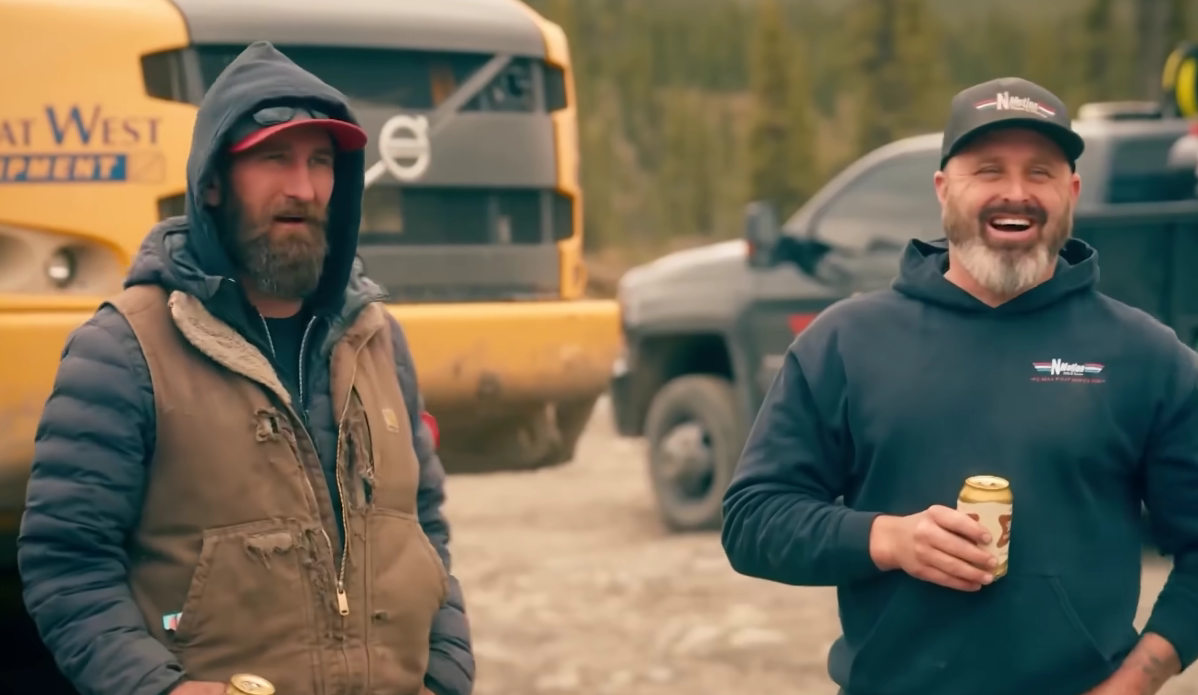
For Kevin, the math was brutal. He needed to clear 36 ounces of gold just to pay off Parker. After shutting down his plant for repairs, he finally pulled his gold from the mats. The weigh-in yielded 27.57 ounces—worth $97,000. It was a solid haul for a struggling operation, but it left him $31,000 short of clearing his massive debt.
Both Rick Ness and Kevin Beets are currently fighting the exact same battle: trying to dig their way out of past obligations so they can finally control their own futures. For Rick, the path to a record season is finally legally clear, provided he can settle his debts at Lightning Creek. For Kevin, the only way out from under Parker’s thumb is to keep his wash plant spinning 24/7 without breaking down. The next documented clean-ups will determine whether these two mine bosses can finally go on the offensive, or if they will spend the rest of the season simply trying to survive.
THEO DÕI CHÚNG TÔI TRÊN FACEBOOK