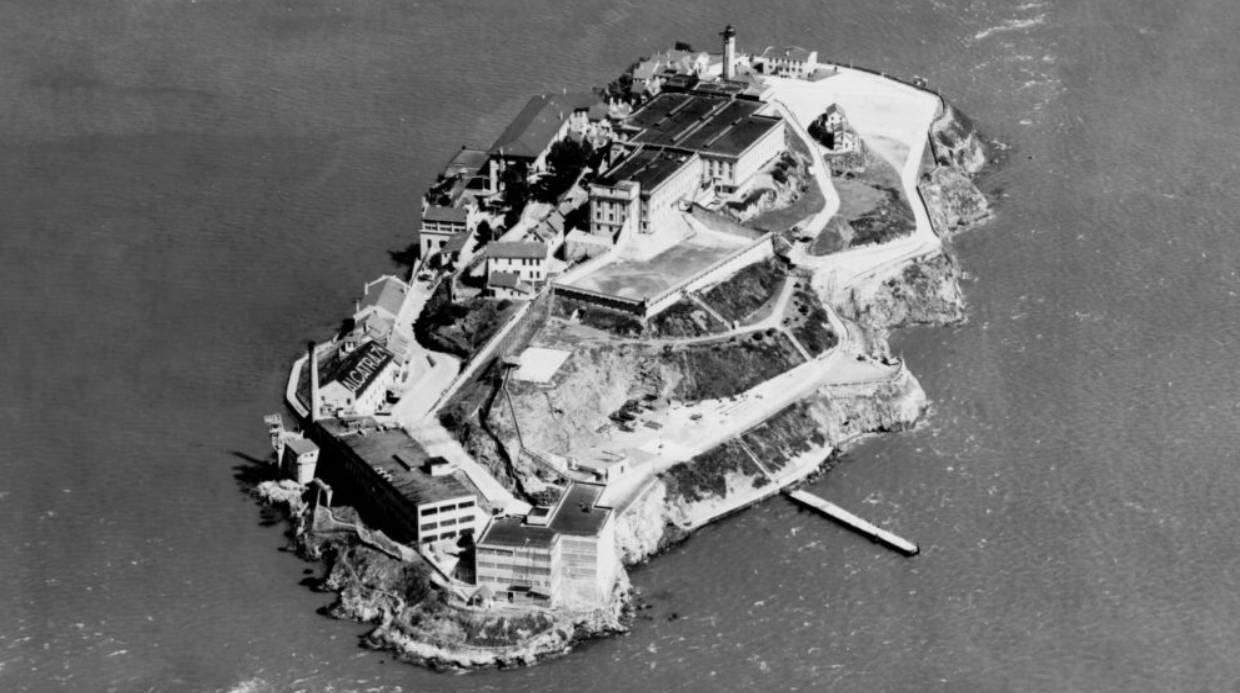
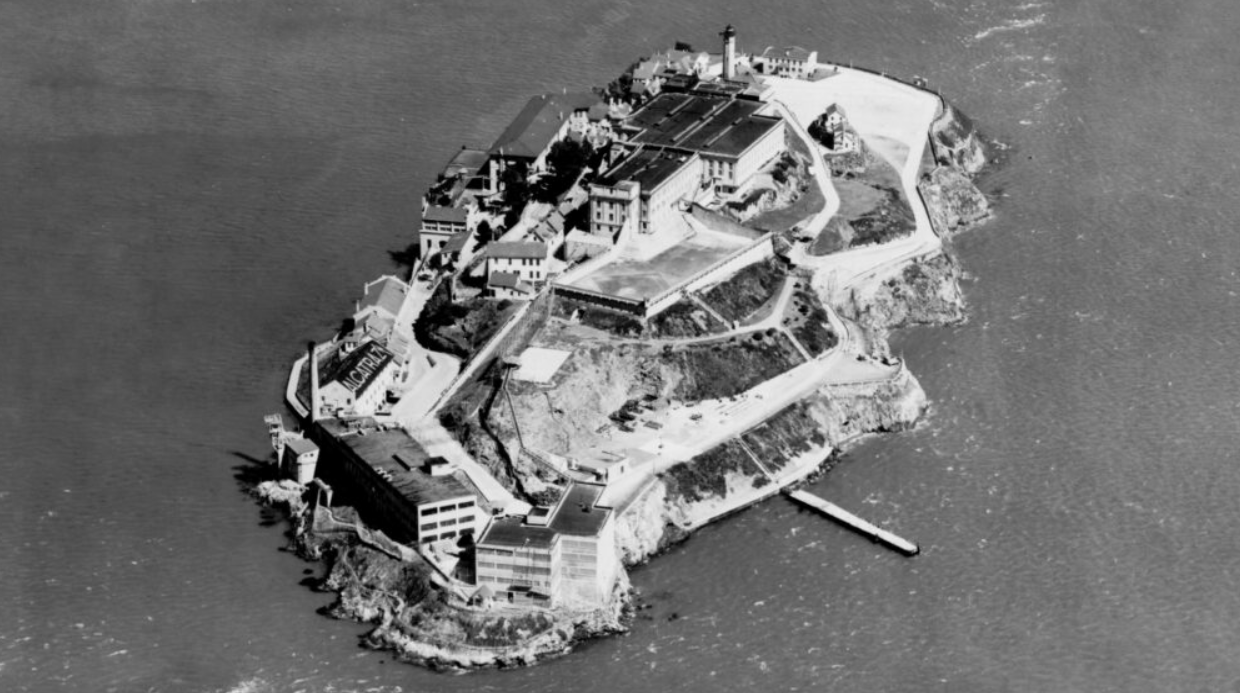
For over sixty years, the legend of "The Rock" has been defined by one singular, impossible question. In June 1962, the most secure prison in American history was humbled when Frank Morris and brothers John and Clarence Anglin vanished into the night. While the FBI officially closed the case in 1979, citing a probable drowning in the freezing, turbulent waters of the San Francisco Bay, a shadow of doubt has refused to fade.
The mechanics of the escape itself remain a masterclass in criminal ingenuity. Using homemade papier-mâché dummy heads, sharpened spoons, and a raft fashioned from stolen raincoats, the trio orchestrated an exit that defied the impossible. By the time guards discovered the ruse the following morning, the men were ghosts, leaving behind a trail of unanswered questions that have haunted investigators for generations.
But for the families of the escapees, the "drowning" theory has always been a convenient end to a messy story. For decades, whispers of survival have persisted, fueled by anonymous tips, mysterious postcards, and sightings that stretch as far south as Brazil. Could three convicts truly have outsmarted the federal government, or is the romanticized dream of their freedom merely a desperate attempt to keep a legend alive?
As we peel back the layers of this cold case, the evidence—or lack thereof—is increasingly difficult to ignore. No bodies were ever recovered, a statistical anomaly that continues to baffle forensic experts. Some argue that the bay’s treacherous currents would have inevitably returned their remains to shore. Others point to the Anglin brothers' upbringing in Florida, where they were expert swimmers, as the key to their improbable survival.
However, the most explosive revelations have come to light only recently, shattering the long-held narrative of their watery grave. The Anglin family, who have spent a lifetime searching for closure, have unearthed compelling new evidence that suggests the brothers didn't just survive the night—they thrived.
Years after the disappearance, the family received a photograph that forensic experts have struggled to debunk. It appears to show the two brothers living in Brazil, an image that aligns with testimony from individuals claiming to have facilitated their flight to South America. Furthermore, a 2013 letter sent to authorities—allegedly penned by John Anglin himself—claimed that all three men survived the escape, with John living until 2008 and Clarence until 2011. While the FBI remains skeptical, this documented proof of a life after Alcatraz, combined with persistent claims of mobster-funded extraction, suggests that the "drowning" was the ultimate cover story—a perfectly executed final act to a crime that may have never actually ended.
The mystery of Alcatraz remains one of the world's most enduring puzzles. Whether they perished beneath the waves or escaped to a life of anonymity, the Anglin brothers succeeded in achieving the one thing that truly terrified their captors: they became a legend that refused to die.
THEO DÕI CHÚNG TÔI TRÊN FACEBOOK